
Last updated September 10, 2026
Full 25-point door and opener safety check with every visit - springs, cables, rollers, tracks, and your LiftMaster or Chamberlain opener included
You get a price before we start. It does not change when the truck arrives.
 Before
 After
After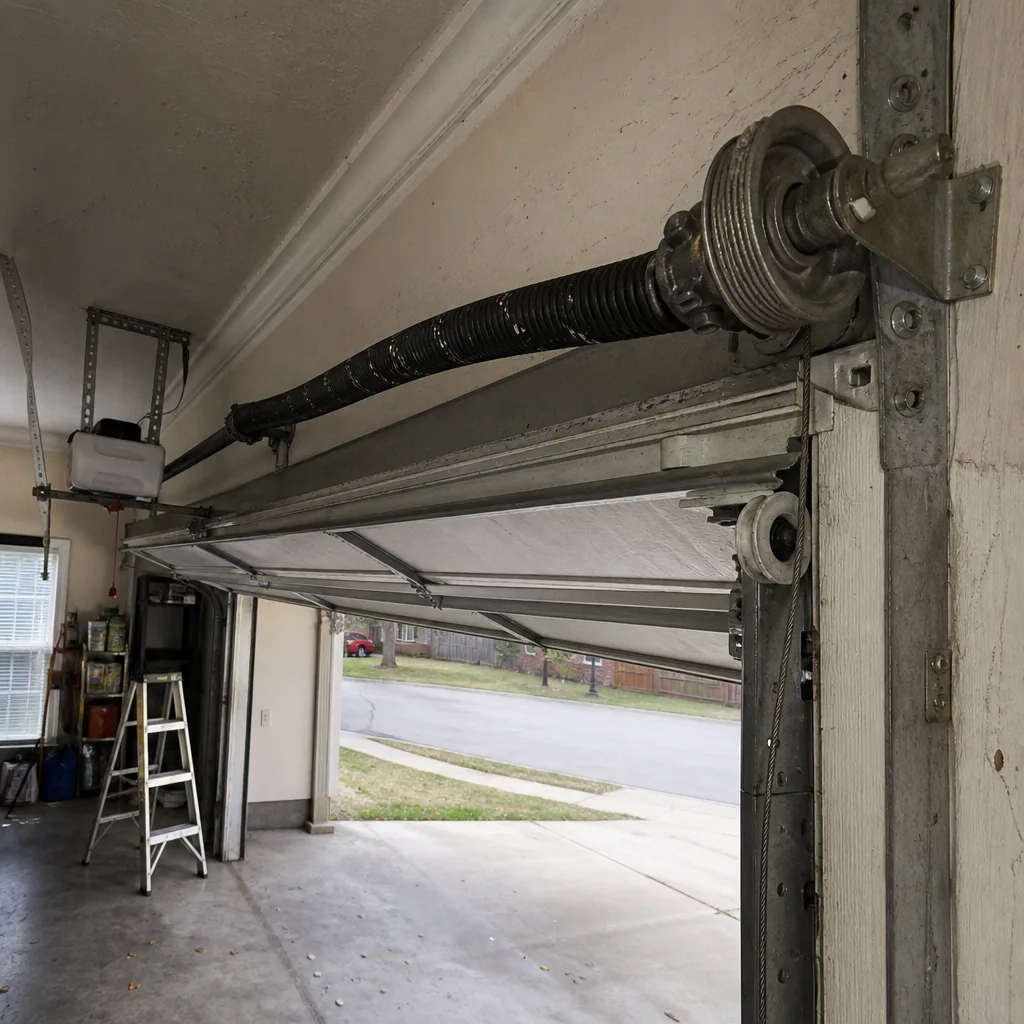 Before
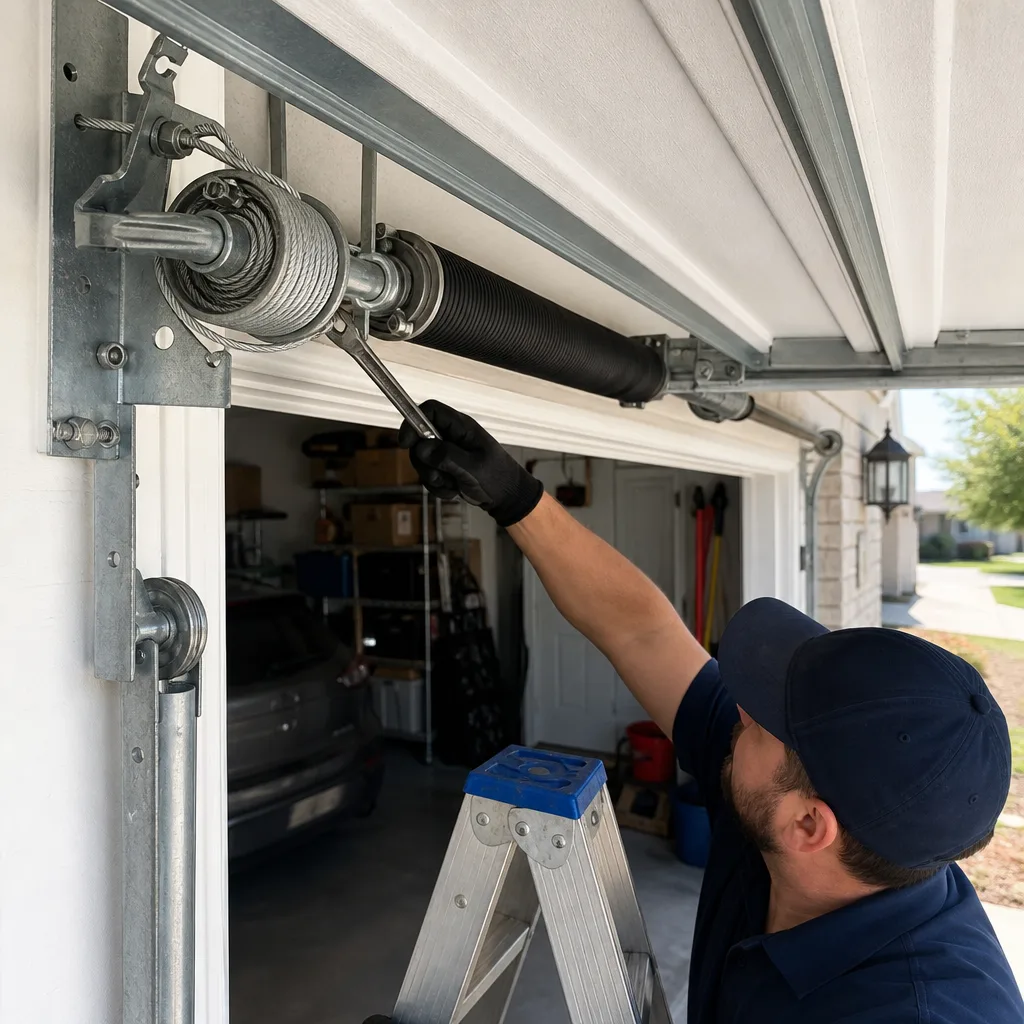 After
After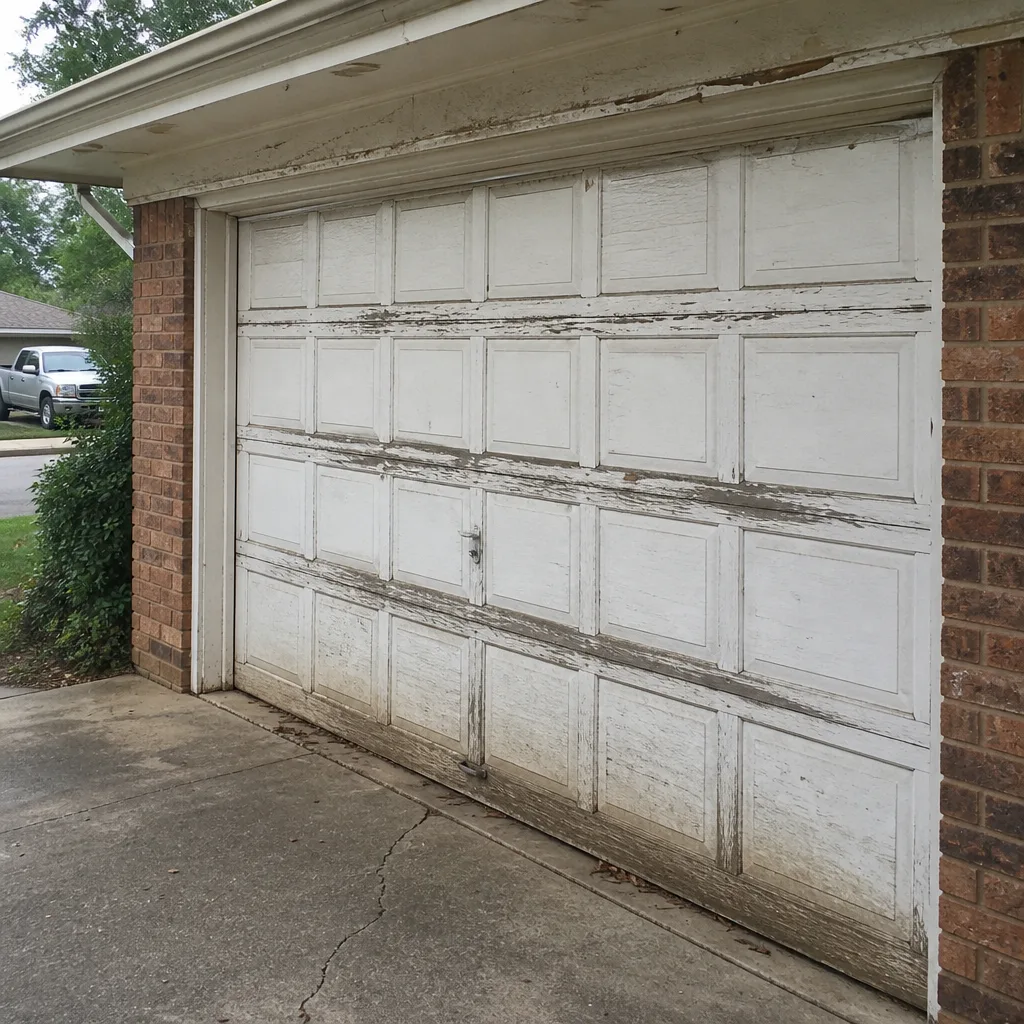 Before
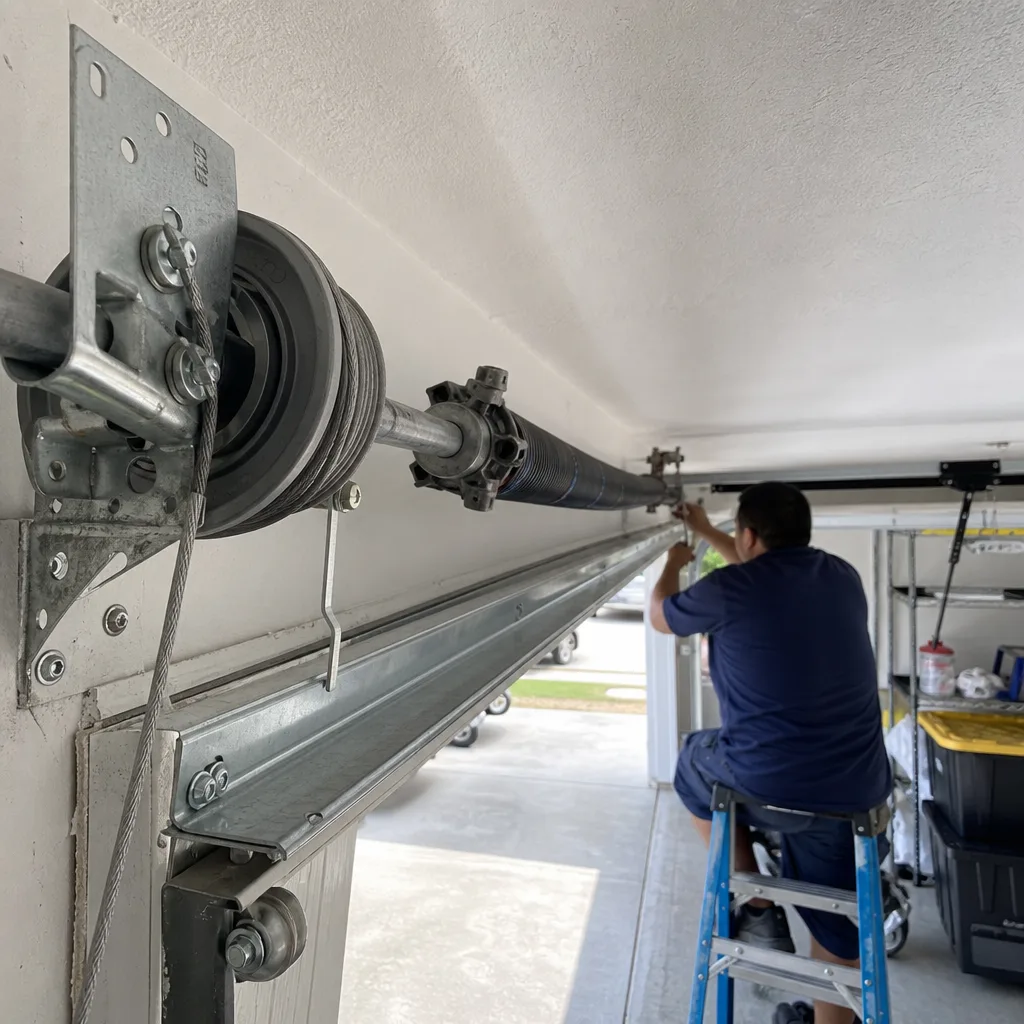 After
AfterGarage Door Repair Maintenance Checklist for Fort Worth Homeowners
The number-one cause of a Fort Worth garage door failing mid-summer isn’t the motor. It’s a spring that was already fatigued from the previous winter’s cold snaps, and nobody checked it in between. After 42 years of opening trucks in this city, we’ve learned that garage doors here fail in a predictable sequence: springs first, then cables, then rollers, then the opener. This guide-along with our Garage Door Warning Signs: A Fort Worth Homeowner’s Reference Guide-walks you through that exact sequence, season by season, so you catch problems before they catch you.
Quick Answer
A proper garage door maintenance checklist for Fort Worth homeowners includes inspecting springs and cables every spring after the last freeze, lubricating rollers and hinges with silicone-based grease every six months, testing door balance monthly, checking weatherstripping before storm season, and keeping a written log of all findings. Done annually, this routine prevents roughly 90% of the emergency calls we receive in Fort Worth. The rest of this guide breaks down each step in the order that parts actually fail here.
Table of Contents
- Why Fort Worth Garage Doors Fail in This Exact Order
- Spring and Cable Inspection: The First Line of Defense
- Lubrication That Survives Texas Heat and Dust
- How to Test Door Balance and Roller Wear Without Tools
- Weatherstripping and Fort Worth’s Storm Calendar
- Opener, Safety Sensors, and Electrical Checks
- Keeping a Written Maintenance Record
- Your Fort Worth Seasonal Maintenance Schedule
Why Fort Worth Garage Doors Fail in This Exact Order
Garage doors in Fort Worth face a specific stress pattern that homeowners in milder climates don’t experience. Our summers routinely hit 100°F, our winters can drop below 20°F, and the dust that blows in from West Texas finds its way into every moving part. That thermal cycling and particulate load creates a failure sequence we’ve documented across thousands of service calls.
Here’s how it plays out:
- Torsion springs fatigue first. The extreme temperature swings between January and July cause the steel to expand and contract repeatedly. Each cycle weakens the metal microscopically. A spring rated for 10,000 cycles in a stable climate might reach failure at 7,000 here.
- Cables fray next. As springs weaken, they don’t lift evenly. The cable on the fatigued side takes more load, develops flat spots, and begins to unravel.
- Rollers seize or crack. Dust-compromised lubrication turns gritty. Metal rollers grind in their tracks; nylon rollers develop flat spots from vibration.
- The opener strains and fails. Now working against weak springs, frayed cables, and sticky rollers, the motor burns out or the drive gear strips.
In the Ridglea and Berkeley Place neighborhoods, where many homes still have original doors from the 1980s and 90s, we see this sequence complete itself almost exactly on schedule. The homeowner who calls us for an opener replacement often needs the full set: springs, cables, rollers, and opener. The homeowner who caught the spring fatigue six months earlier spends a fraction of that.
This checklist is organized to interrupt that sequence at step one.
Spring and Cable Inspection: The First Line of Defense
Spring inspection is the single highest-value maintenance task on this list, and it’s the one most homeowners skip because springs look fine until they aren’t. In Fort Worth, we recommend checking springs in late March, after the last hard freeze has passed and before the summer heat load begins.
What to look for:
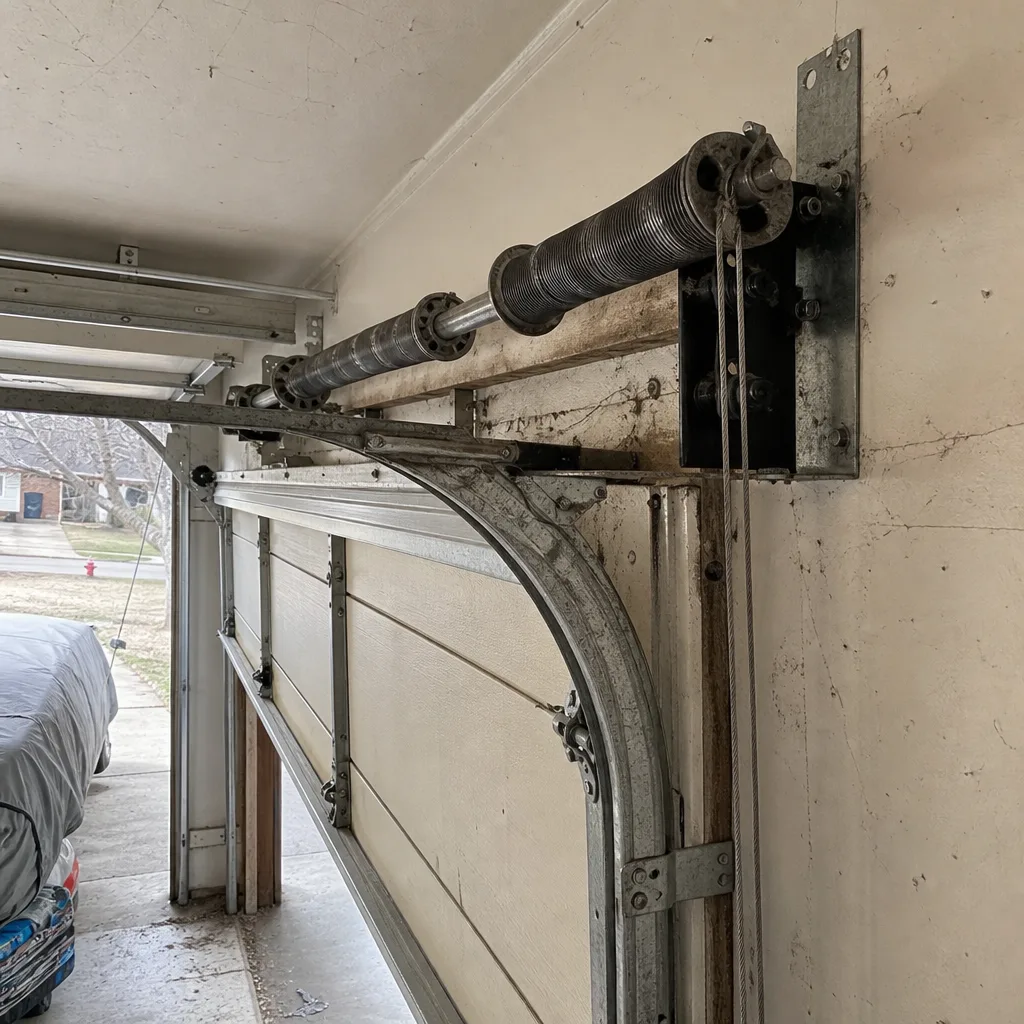
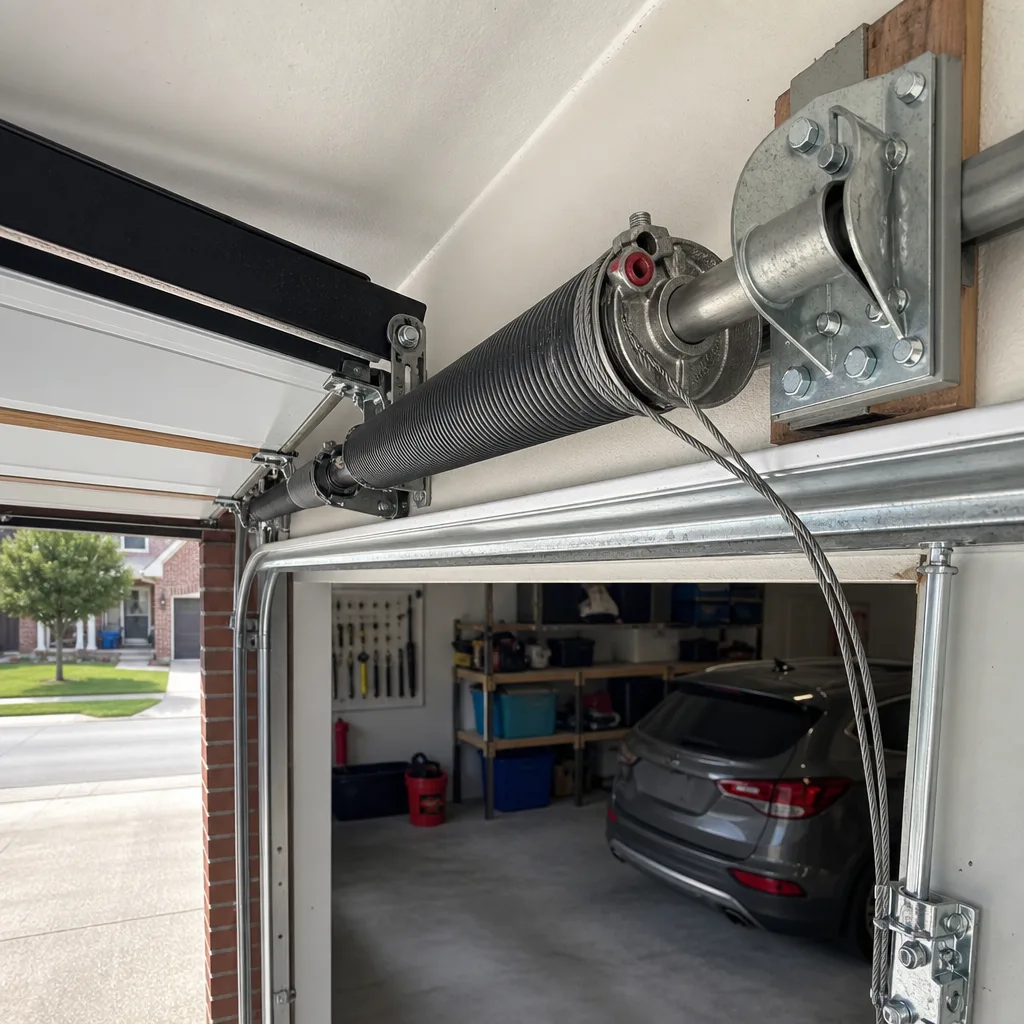
- Gap in the coils. A torsion spring should sit with coils touching evenly along its length. A gap of even 1/4 inch indicates the spring has stretched and lost tension.
- Rust or corrosion. Our humidity spikes in spring. Surface rust flakes off and creates friction between coils, accelerating wear. Light surface rust can be addressed; flaking or pitting means replacement.
- Coil separation variance. Stand inside the garage with the door closed and look across the spring. The coil spacing should be uniform. If one section looks stretched while another looks compressed, the spring is failing unevenly.
Cable inspection:
With the door closed, trace each cable from the bottom bracket to the drum at the top. Look for:
- Individual wire strands protruding from the cable braid (we call these “meat hooks” for obvious reasons)
- Flat or shiny sections where the cable has been rubbing against the track edge
- Kinking or bird-caging near the bottom bracket, where the cable flexes most
Safety note: Torsion springs store enough energy to cause serious injury or death if handled improperly. Do not attempt to adjust, wind, or replace them yourself. If your inspection reveals any of the conditions above, call a technician. At Mainspring Garage Door Repair in Fort Worth, we carry a full inventory of springs rated for our climate, and most replacements are completed in a single visit.
Carl Dutton has specified our spring inventory personally since 2016: we stock only oil-tempered springs with a corrosion-resistant coating, because standard zinc-coated springs fail prematurely in Fort Worth’s humidity cycle.
Lubrication That Survives Texas Heat and Dust
Not all garage door lubricants are equal above 95°F. Standard white lithium grease thins out and drips onto your car or floor by August. WD-40, despite its popularity, is a solvent and degreaser, not a lubricant, and it evaporates within days in our heat.
After testing formulations across four decades, we specify silicone-based lubricant with Teflon additive for Fort Worth conditions. It maintains viscosity from 20°F to 120°F, and it doesn’t attract dust the way petroleum-based products do.
What to lubricate, and how often:
| Component | Product | Frequency | Notes |
|---|---|---|---|
| Hinge pins | Silicone spray with Teflon | Every 6 months | One quick shot per pin; wipe excess |
| Roller bearings (metal) | Silicone spray with Teflon | Every 6 months | Roll door to distribute; avoid nylon rollers |
| Torsion spring | Silicone spray with Teflon | Every 6 months | Light coat across full length; reduces coil friction |
| Track interior | None | Never | Lubricated track collects dust; clean with damp cloth only |
| Chain or screw drive | Manufacturer-specified grease | Annually | LiftMaster and Chamberlain specify different products; check manual |
Application technique matters. In Fort Worth’s dust environment, excess lubricant is worse than none. It forms a paste with airborne particles that accelerates wear. Apply sparingly, operate the door twice to distribute, then wipe all exposed surfaces with a clean rag.
We see the worst lubrication mistakes in the Fairmount and Near Southside areas, where older homes with carriage-style doors have decorative hardware that traps grease. If your door has decorative straps or handles, check them quarterly for grease accumulation that can stain the finish.
For homeowners who prefer not to handle this themselves, our Mainspring Garage Door Co. home page lists our $89 Seasonal Tune-Up, which includes full lubrication, balance testing, and safety sensor alignment.
How to Test Door Balance and Roller Wear Without Tools
These two tests require no equipment beyond your hands and eyes, and they reveal problems that lubrication cannot fix.
Balance test:
- Close the door fully and disconnect the opener by pulling the red emergency release cord.
- Lift the door manually to about waist height and release it gently.
- A properly balanced door will stay in place or drift slowly. If it falls closed rapidly, the springs are weak. If it rises on its own, the springs are over-tightened.
- Repeat at shoulder height. The behavior should be consistent.
In Fort Worth, we find doors out of balance most often in April and October, when temperature swings have shifted spring tension from the season before. A door that’s been running fine all summer may suddenly feel heavy in November. That’s not the opener failing. It’s the springs.
Roller wear test:
With the door closed, inspect each roller:
- Metal rollers: The bearing should spin freely when you flick it with a finger. If it grinds, catches, or doesn’t spin at all, the bearing is failing. Check for rust on the roller stem where it enters the bracket.
- Nylon rollers: Look for flat spots on the wheel, cracks in the nylon, or a wobble when you grip and move the roller side to side. Nylon degrades faster in UV exposure, so south-facing doors in Fort Worth show this earlier.
The replacement threshold: Replace any roller that doesn’t spin freely, shows visible damage, or wobbles in its bracket. Don’t wait for complete failure. A seized roller forces the opener to pull unevenly, which damages the door panel and the opener drive.
We stock both sealed-bearing steel rollers and high-cycle nylon rollers on every truck. For Fort Worth’s dust load, sealed bearings are worth the modest additional cost. They simply last longer here.
Weatherstripping and Fort Worth’s Storm Calendar
Fort Worth’s storm season runs roughly March through June, with a secondary peak in September and October. Hail, wind-driven rain, and temperature drops of 30°F in an hour all stress your door’s weather seals. The checklist timing: inspect weatherstripping in late February, before the first severe weather, and again in late August.
What to check:
- Bottom seal: Close the door and look for daylight underneath. A proper seal should contact the floor evenly across the full width. In older Fort Worth homes with settled slabs, the seal may gap at one corner. That’s fixable with an adjustable retainer or a thicker seal profile.
- Side and top seals: These are PVC or rubber strips that compress when the door closes. Look for cracking, hardening, or sections that have pulled loose from their retainers. UV degradation makes these brittle; in south- and west-facing doors, we replace them every 3-4 years.
- Storm damage: After any hail event, check for punctures in the bottom seal and dents in the retainer channel. Hail can drive the seal against the door bottom hard enough to deform the steel. In the Wedgwood and Tanglewood areas, where 2016 and 2023 hail events were particularly severe, we’ve replaced dozens of seal retainers that looked fine until we removed the damaged seal.
A compromised seal does more than let water in. It allows dust, pollen, and the occasional snake or scorpion to enter. More critically for energy costs, it lets conditioned air escape. In a Fort Worth July, an unsealed garage can reach 115°F, and that thermal load transfers to any adjoining living space.
We carry replacement seals for all major brands, including Clopay and Wayne Dalton proprietary profiles, and we can match older Raynor and Craftsman seals that are no longer manufactured by adapting universal retainers.
Opener, Safety Sensors, and Electrical Checks
The opener is last in the failure sequence for a reason: it’s protected until the mechanical components fail. But once springs weaken and rollers seize, the opener takes punishment it wasn’t designed for. These checks ensure the opener itself is sound, and that its safety systems will protect your family.
Force setting test:
Every opener manufactured since 1993 has adjustable force settings. With the door disconnected from the opener (red release cord), place a 2×4 flat on the floor centered under the door. Reconnect the opener and close the door using the remote. The door should reverse within 2 seconds of contacting the board. If it doesn’t, the down-force setting is too high and must be adjusted.
Safety sensor alignment:
The photo eyes near the floor on each side must show steady indicator lights, usually green or amber. In Fort Worth, we see misalignment most often after:
- Lawn equipment bumps the sensor bracket
- Foundation settling shifts the mounting surface
- Children or pets dislodge the wiring
Clean the lenses with a soft cloth. Even a thin film of dust, common after our spring dust storms, can scatter the beam enough to cause intermittent failure. If the lights flicker, tighten the bracket screws and adjust until both indicators are steady.
Wall button and remote function:
Test the wall button’s lock feature (if present) to ensure it disables remotes as designed. Replace remote batteries annually; weak batteries cause erratic signals that can leave the door partially open. For Garage Door Opener service in Fort Worth, we stock replacement remotes and keypads for LiftMaster, Chamberlain, Genie, and most legacy brands.
Electrical inspection:
Check the outlet that powers the opener for loose plugs or exposed wiring. The opener should be on a dedicated circuit; if your lights dim when it operates, the circuit is overloaded. In older Fort Worth homes, especially in the Mistletoe Heights and Ryan Place historic districts, we’ve found openers sharing circuits with garage refrigerators or workshop equipment. That’s a fire risk and a code issue.
Keeping a Written Maintenance Record
This is the step no competitor checklist includes, and it’s the one that saves you money when you sell your home or file a warranty claim. A documented maintenance history proves due diligence and can transfer to a new owner as a selling point.
What to record:
- Date of each inspection
- Findings for each component (spring, cable, roller, seal, opener, sensors)
- Lubrication date and product used
- Any professional service, with technician name and company
- Part replacements, with brand and model numbers
- Weather events that may have caused damage
Simple template format:
Keep a single page in a file folder, or a note on your phone. The format matters less than the consistency. When we service a door in Fort Worth, we leave a written summary with the homeowner, and we’re happy to email a copy for your records.
This documentation becomes valuable in three specific situations:
- Warranty claims: Manufacturers increasingly require proof of maintenance for spring and opener warranties. A blank record means a denied claim.
- Home sale: A Fort Worth buyer’s inspector will flag garage door deficiencies. A maintenance record from a known local company resolves that concern before it becomes a negotiation point.
- Insurance claims: After storm damage, documented pre-existing condition photos support your claim for full replacement rather than depreciated value.
Carl Dutton has kept maintenance records for every commercial account Mainspring services since 2016. We extend that practice to residential customers who request it.
Your Fort Worth Seasonal Maintenance Schedule
Spread these tasks across the year to match our actual climate stress points. Doing everything in one weekend is better than nothing, but spreading the work lets you catch seasonal damage closer to when it occurs.
| Timing | Task | Why This Timing |
|---|---|---|
| Late February | Weatherstripping inspection; sensor cleaning | Before severe storm season begins |
| Late March | Spring and cable inspection; balance test | After last hard freeze; before summer heat load |
| Mid-May | Full lubrication; roller inspection | Before peak heat and dust |
| Mid-September | Weatherstripping re-check; opener force test | After summer stress; before fall storm secondary peak |
| Mid-November | Balance re-test; cable re-inspection | Before winter cold snap cycle begins |
| Anytime after hail | Visual damage inspection; photo documentation | Storm damage claims require prompt documentation |
For homeowners who prefer professional handling, our $89 Seasonal Tune-Up covers the March and September tasks completely. The 5% senior and veteran discount applies to this service as it does to all our work.
Common Mistakes to Avoid
- Using WD-40 as a lubricant. It cleans, then evaporates, leaving metal bare for dust to adhere. We’ve replaced rollers that were “lubricated” monthly with WD-40 and wore out in two years.
- Ignoring a single loud pop from the garage. That was likely a spring winding breaking. The door may still operate for weeks on the remaining spring, but it’s unbalanced and damaging everything else. Call for inspection immediately.
- Painting over rust on springs or cables. Paint traps moisture against steel. In Fort Worth’s humidity, painted-over rust accelerates failure from the inside out.
- Adjusting opener force settings to compensate for a heavy door. This masks spring failure and burns out the opener. Fix the springs; don’t force the motor.
- Skipping maintenance on a “new” door. Even doors installed in 2023 or 2024 need annual inspection. New springs still fatigue in our climate cycle.
- DIY spring replacement after watching an online video. The videos rarely show what happens when the winding bar slips. We’ve responded to emergency calls for injuries that could have been avoided. This is not a savings; it’s a gamble with serious consequences.
When to Call a Professional
Call a technician-our Garage Door Repair services cover all of these issues-when your inspection reveals spring gaps or rust, cable fraying, door imbalance, seized rollers, or opener force settings that won’t hold adjustment. Call immediately if the door hangs crooked, makes grinding noises, or reverses unexpectedly. These conditions worsen quickly and can damage the door panel or injure someone.
At Mainspring Garage Door Installation in Fort Worth, we provide free estimates for any concern. Our trucks carry springs, cables, rollers, and openers for all major brands, so most repairs finish in a single visit. The price is stated before any work begins, and every job carries our 90-Day Done Right Promise in writing. Call (817) 766-2028 to schedule.
Frequently Asked Questions
Complete inspection and lubrication twice yearly, with additional checks after severe weather. The full schedule in this guide spreads six touchpoints across the year to match our local climate stress. Following it prevents roughly 90% of the emergency repairs we perform in Fort Worth.
Silicone-based spray with Teflon additive maintains proper viscosity from 20°F to 120°F and doesn’t attract dust. White lithium grease thins and drips above 95°F; WD-40 is a solvent, not a lubricant, and evaporates within days in our conditions. We specify silicone with Teflon on every Mainspring service call.
No. Torsion springs store lethal energy and require specialized winding tools and training. The videos make it look straightforward; they don’t show the emergency room visits we’ve seen over 42 years. If your inspection reveals spring wear, call a professional. We carry the correct springs for your door’s weight and size, and most replacements are completed in under an hour.
Disconnect the opener and lift the door manually to waist height. A balanced door stays in place or drifts very slowly. If it falls rapidly, springs are weak. If it rises on its own, springs are over-tightened. Test again at shoulder height. Inconsistent behavior at different heights indicates uneven spring fatigue, common after Fort Worth’s winter cold snaps.
Hail leaves punctures or compression dents in the bottom seal. Wind-driven rain forces water past compromised side seals, often leaving water staining on the interior door panel. After any severe storm, inspect for these signs and photograph damage for insurance documentation. Replace seals before the next storm cycle; compromised seals fail completely under repeated stress.
No. At Mainspring, the flat price is stated before any work begins. After inspection, we explain what we found, quote the complete repair cost, and obtain your approval. The invoice matches the quote. No surprises, no add-ons discovered mid-job. If additional issues appear during repair, we stop and discuss them before proceeding. Call (817) 766-2028 for a free estimate.
The Bottom Line
Fort Worth garage doors fail in a predictable sequence, driven by our extreme temperature swings and dust load. Springs fatigue first, then cables, then rollers, then the opener. An annual maintenance checklist organized around that sequence, with inspections timed to our storm calendar and lubrication specified for our heat, catches problems before they cascade. The written record protects your warranty, your home value, and your peace of mind. The small time invested pays back in avoided emergency repairs and extended door life. For more guides & resources, visit our blog.
If you’d rather have a professional handle your maintenance, Mainspring Garage Door Co. offers our $89 Seasonal Tune-Up, performed by background-checked, uniformed technicians who arrive with the parts already on the truck. We state the price upfront, stand behind our work for 90 days in writing, and we’ve been doing it since 1984. Call (817) 766-2028 for a free estimate, or ask about our standing offers: $50 off any repair over $250, free second opinion on any written estimate, and our permanent 5% discount for seniors and veterans.
Written by Carl Dutton, Owner at Mainspring Garage Door Co., serving Fort Worth since 2016.