
Last updated September 10, 2026
Full 25-point door and opener safety check with every visit - springs, cables, rollers, tracks, and your LiftMaster or Chamberlain opener included
You get a price before we start. It does not change when the truck arrives.
 Before
 After
After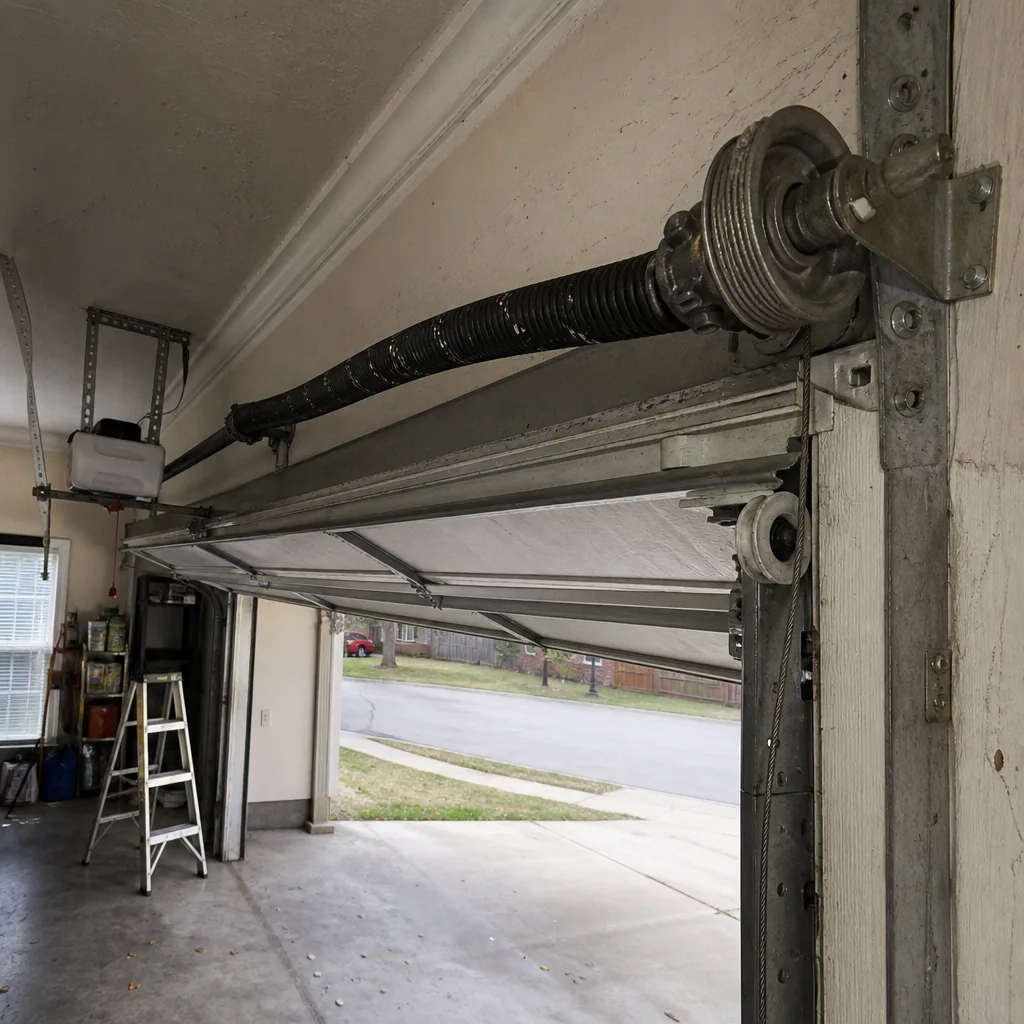 Before
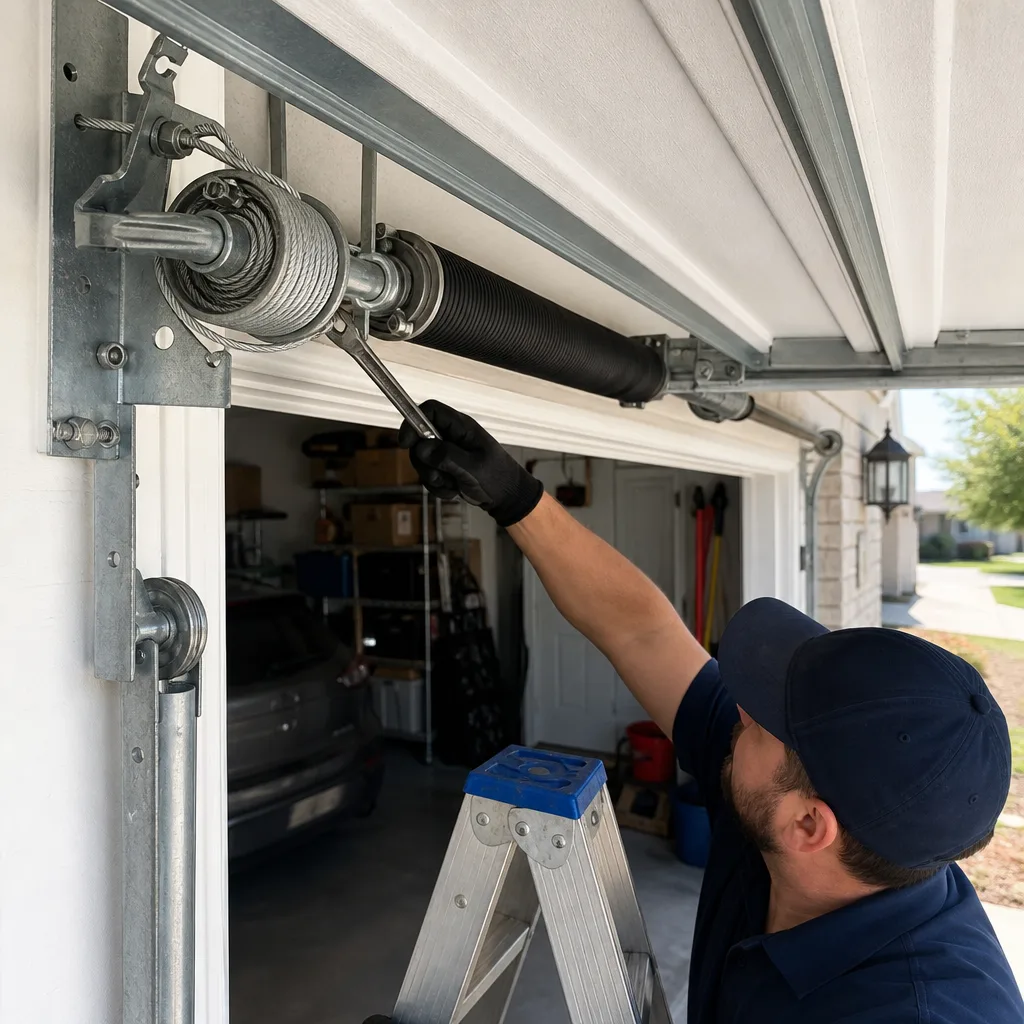 After
After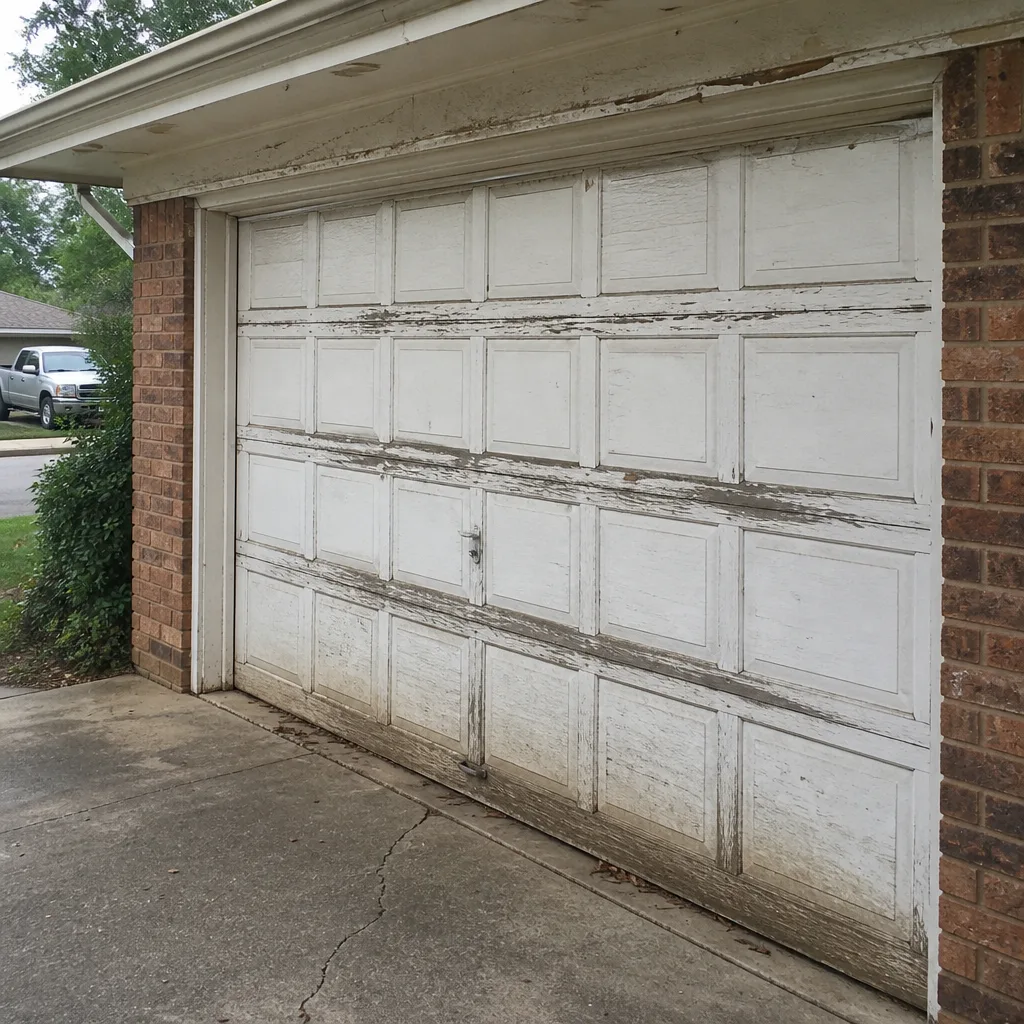 Before
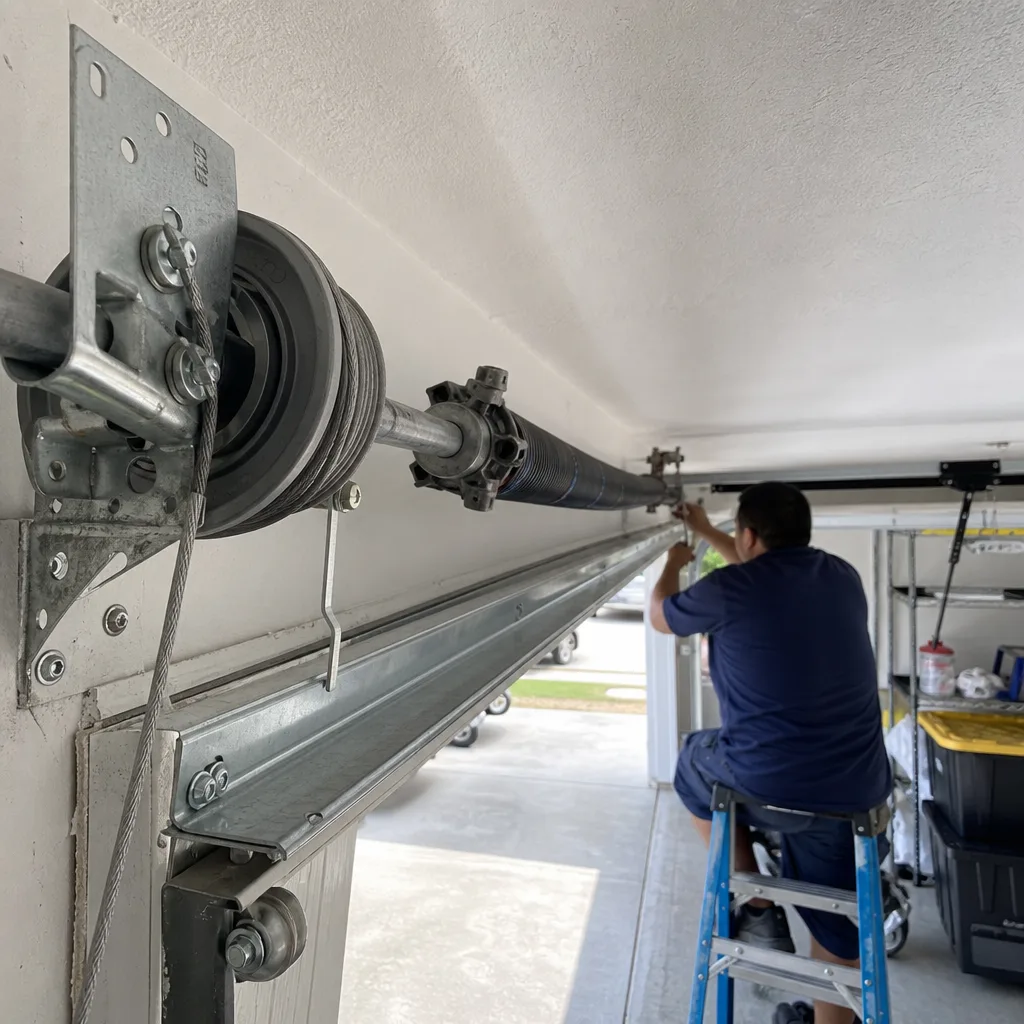 After
AfterSeasonal Garage Door Care for Fort Worth: Year-Round Homeowner’s Guide
February in Fort Worth has frozen more garage door springs in a single week than the entire preceding year combined, and every one of those failures was predictable with one pre-winter check. The maintenance calendars printed in national magazines show four gentle seasons. Fort Worth doesn’t work that way. We get two brutal seasons - a furnace that runs from May through September, and a freeze that can drop from 70°F to 15°F in twelve hours - with short, violent transitions in between. A homeowner following a standard four-season schedule will miss both danger windows every single year. This guide rebuilds the calendar around what actually happens in North Texas.
Quick Answer
Fort Worth garage doors need two primary maintenance windows: heat prep in April and freeze prep in November, plus a storm inspection after every significant hail event. The $89 Mainspring Garage Door Co. home Seasonal Tune-Up covers both protocols, and most homeowners who follow this schedule avoid emergency calls entirely.
Table of Contents
- Why Fort Worth Needs a Two-Season Framework, Not Four
- Heat Prep: What to Do Every April Before the Furnace Starts
- Storm Season Protocol: Hail Damage Most Homeowners Miss
- Mid-Summer Lubrication: Why Standard Intervals Fail in 100°F Heat
- Freeze Prep: The Four-Minute November Check That Eliminates 80% of Winter Calls
- Thermal Expansion and Your Door Gap Seal
- Year-Round Habits That Catch Problems Early
- What Seasonal Maintenance Costs in Fort Worth
Why Fort Worth Needs a Two-Season Framework, Not Four
National garage door maintenance guides divide the year into spring, summer, fall, and winter. That works in Cleveland or Portland. In Fort Worth, it wastes your time in two seasons and leaves you exposed in the other two.
Here’s the pattern we’ve observed over 42 years. From mid-April through September, ambient temperatures in Tarrant County routinely exceed 95°F, with garage interiors hitting 110°F or higher. That heat degrades lubricants, warps weatherstripping, and forces openers to work against thermally expanded metal. Then, typically between mid-November and mid-February, we get hard freezes - not prolonged cold, but rapid temperature drops that catch metal components contracted and brittle. The transitions are where damage happens.
In the Garage Door Repair in Fort Worth work we do, roughly 60% of emergency calls in January and February trace back to a single skipped November inspection. Similarly, most summer opener failures in July and August stem from lubrication that was adequate in April but cooked off by June.
The two-season framework treats April and November as the critical maintenance windows. Everything else - mid-summer touch-ups, post-storm checks, monthly visual inspections - supports these two anchor points. This is not a busier schedule than the four-season version. It is a more honest one.
Neighborhoods matter here too. In older areas like Fairmount and Ryan Place, original garage construction often lacks insulation, so thermal swings hit harder. In newer developments around Walsh Ranch or Alliance Town Center, tighter construction can trap heat more aggressively. The tasks stay the same, but the urgency shifts.
Heat Prep: What to Do Every April Before the Furnace Starts
April in Fort Worth is the last reliable window before the heat sets in. By early May, working in an uninsulated garage becomes genuinely unpleasant, and homeowners stop noticing small problems until they become urgent ones.
Here’s the protocol we use on every $89 Seasonal Tune-Up, and what a careful homeowner can replicate:
- Inspect and replace weatherstripping. The bottom seal and perimeter weatherstripping take damage from winter’s dry cold and spring’s wind-blown grit. In Fort Worth, UV exposure starts intensifying in late April. Cracked or hardened stripping should be replaced before the seal gap widens in summer heat. Check for daylight visible around the closed door - any gap over 1/8 inch will cost you on the electric bill and let dust, pollen, and insects through.
- Lubricate all moving metal. Hinges, rollers, bearings, and the torsion spring require lithium-based garage door lubricant, not WD-40. WD-40 is a solvent and degreaser; it strips protection rather than adding it. Apply a thin film, cycle the door twice, then wipe excess. In Fort Worth’s heat, over-application attracts dust that forms an abrasive paste.
- Test door balance. Disconnect the opener and lift the door manually to waist height. A properly balanced door stays put. If it rises or falls, the spring tension is off. This is not an adjustment for a homeowner - torsion springs store lethal energy. Note the behavior and call for service.
- Inspect cables for fraying. Look especially where cables wrap around the bottom brackets. In our experience, cables that show three or more broken strands will fail within the season. This is a safety-critical component; frayed cables require immediate professional replacement.
- Clear and test safety sensors. Spring pollen in Fort Worth coats everything. Wipe photoelectric sensors with a dry cloth, verify alignment (both indicator lights solid, not blinking), and test the reversal function with a 2×4 laid flat in the door’s path.
- Check opener force settings. Heat-expanded metal increases resistance. If the opener’s force limits are set too tight from winter, the system will overwork and trip the thermal overload. If set too loose, the door may not reverse properly on obstruction. This adjustment requires a technician with a force gauge for accurate calibration.
One detail competitors miss: Fort Worth’s hard water leaves mineral deposits on exterior hardware, particularly in areas served by well water or older municipal lines in the near-southside. These deposits accelerate corrosion on aluminum components. A quick wipe with a vinegar-dampened cloth on hinges and exterior fasteners prevents this.
We complete most heat-prep jobs in a single visit because our trucks carry springs, cables, rollers, and weatherstripping for all major brands including LiftMaster, Chamberlain, and Craftsman openers. No waiting on parts, no second trip.
Storm Season Protocol: Hail Damage Most Homeowners Miss
May and June bring Fort Worth’s most violent weather. Hail larger than golf balls gets attention. Smaller hail and wind-driven debris cause damage that homeowners walk past for months.
The inspection protocol after any significant storm:
- Panel face inspection from inside the garage with the door closed and lights off. Hail dimples that are invisible in direct sun show clearly as light pinholes when backlit. Even dime-sized hail can fracture the interior paint seal, starting rust on steel doors or delamination on composite panels.
- Track alignment check. Wind pressure against a partially open door can twist the vertical tracks. Close the door fully and examine the gap between door edge and track - it should be consistent top to bottom. A gap that widens toward the top indicates track shift that will cause binding and premature roller wear.
- Opener rail deflection. The rail that carries the opener trolley can flex if the door was under wind load during operation. Sight along the rail from the motor head toward the door - any bow or twist stresses the trolley and drive gear.
- Weatherstripping impact damage. Hail can tear or compress the bottom seal, creating entry points for the next rain. In Fort Worth, storm water in a garage often means foundation seepage follows.
In the 2016 and 2023 hail events that hit the Wedgwood and Wedgewood South areas particularly hard, we replaced dozens of doors that had been functional but cosmetically damaged - and nearly as many where the homeowner had delayed inspection until the track damage caused opener failure. The Garage Door Installation in Fort Worth work we did after those storms included full replacements, but in many cases earlier detection would have meant panel replacement or track realignment at a fraction of the cost.
One neighborhood-specific note: homes in the Benbrook and Aledo areas, closer to the open terrain west of Fort Worth, see higher wind speeds and more frequent small-hail events. The inspection protocol matters more there, not less.
Mid-Summer Lubrication: Why Standard Intervals Fail in 100°F Heat
Standard advice says lubricate garage door components annually. In Fort Worth, that interval fails. By August, lithium grease that was properly applied in April has thinned, migrated, or collected enough dust to become counterproductive.
The problem is ambient garage temperature, not calendar date. When garage interiors sustain 100°F or higher for weeks, lubricant viscosity drops. It runs off vertical surfaces onto the door panels, attracting airborne dust that forms grinding paste on rollers and hinges. We’ve disassembled rollers in August that were coated in black sludge - the original lubricant plus two months of Fort Worth dust and pollen.
Our recommendation for Fort Worth: a mid-summer touch-up in late July or early August, focused on the highest-friction points.
- Close the door and disconnect power to the opener.
- Wipe all hinges, rollers, and the torsion spring with a clean dry rag to remove contaminated residue.
- Apply fresh lithium lubricant sparingly - one second of spray per hinge, two seconds for the spring.
- Cycle the door manually five times to distribute.
- Wipe all surfaces again to remove any visible excess.
This is not a full maintenance session. It is a 15-minute intervention that prevents the August failure spike we see every year. The $89 Seasonal Tune-Up covers the April protocol; this mid-summer touch-up is homeowner work, or we can handle it during any service call.
One technical detail: if your garage faces west and receives afternoon sun directly on the door, thermal transfer heats the torsion spring directly. Springs in west-facing garages in Fort Worth fail faster. The mid-summer lubrication matters more for these installations, and the spring itself should be inspected for coil gap consistency - uneven gaps indicate fatigue.
Freeze Prep: The Four-Minute November Check That Eliminates 80% of Winter Calls
Here is the single most valuable procedure in this guide. It takes four minutes. It prevents the majority of cold-weather emergency calls we receive.
The four-minute November check:
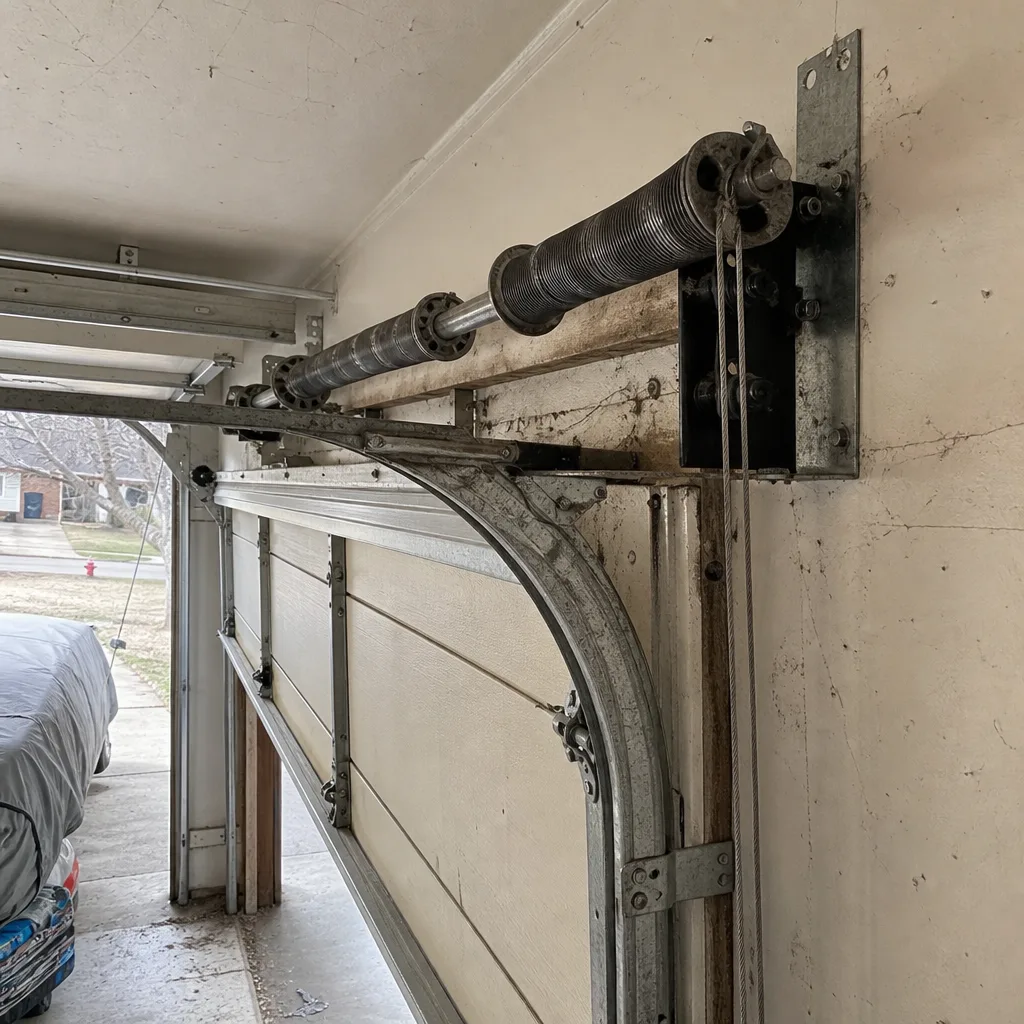
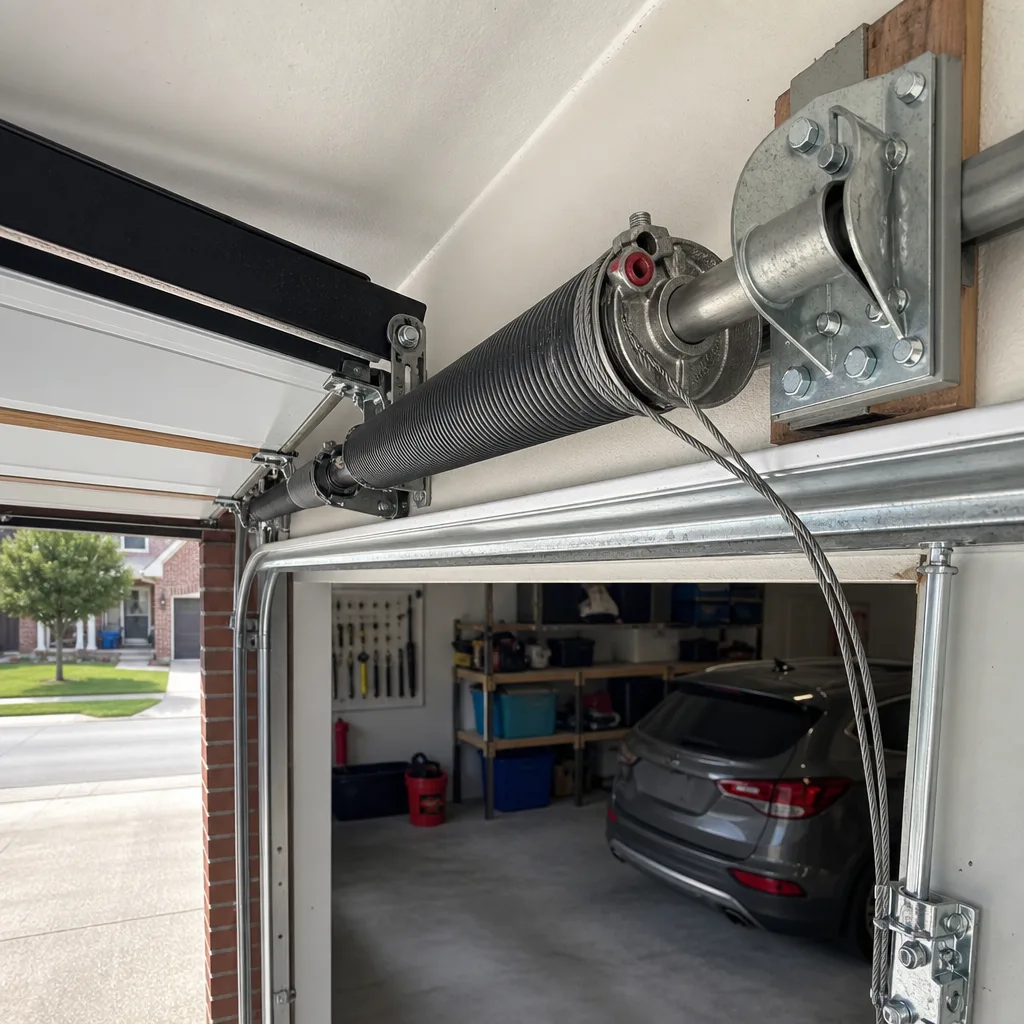
- Visual spring inspection (1 minute). Look at the torsion spring above the closed door. Check for gaps between coils that weren’t there in summer. A properly tensioned spring has coils that sit close together when the door is down. Visible daylight between coils indicates the spring has lost tension and is working the opener harder. In Fort Worth’s rapid temperature drops, a weakened spring that was marginal in October will fail completely in the first hard freeze.
- Cable tension check (1 minute). With the door closed, the lift cables should be taut with equal tension. Slack on one side means the door will hang crooked and bind in the tracks when metal contracts.
- Opener strain test (1 minute). Run the door through one complete cycle and listen. A healthy system runs at consistent pitch. If the motor labors audibly at the same point in each cycle, something is binding - usually a roller, hinge, or track issue that cold will worsen.
- Weather seal daylight check (1 minute). Close the door, turn off garage lights, and look for daylight around the perimeter. Any gap is a freeze entry point. In Fort Worth, we don’t get sustained cold, but we get hard freeze followed by rapid thaw. Water that enters through a gap, freezes overnight, and thaws the next afternoon damages the bottom of the door and the concrete threshold.
That’s it. Four minutes. The spring inspection alone catches the failure mode that produces most January emergency calls.
Why November specifically? Fort Worth’s first hard freeze historically occurs between November 15 and December 5. Checking in early November gives time to schedule correction before the cold arrives. Checking in October is too early - a spring that shows normal tension in October can still weaken before the freeze. Checking in December is often too late - the failure has already happened.
In neighborhoods with older homes, like Mistletoe Heights or Berkeley Place, original single-pane garage windows and uninsulated doors make this check more urgent. The thermal shock hits harder when the garage starts colder.
We do not recommend homeowners adjust spring tension themselves. Torsion springs store enough energy to cause serious injury or death. If your November check reveals coil gaps, slack cables, or opener strain, call for service. We state the flat price before any work begins, and most freeze-prep corrections are completed in a single visit with parts from the truck.
Thermal Expansion and Your Door Gap Seal
Every material expands in heat and contracts in cold. A standard 16-foot garage door can change length by 1/8 to 3/16 inch between a 20°F February morning and a 105°F August afternoon. That movement affects the gap seal in ways that are easy to misread.
In summer, the expanded door presses harder against the side and top weatherstripping. This can compress the seal permanently, so that when winter contraction creates a gap, the stripped seal no longer fills it. Homeowners often replace weatherstripping in winter because “it’s leaking,” when the real problem is summer compression that happened months earlier.
The correct adjustment: in April, set the door-to-jamb gap at approximately 1/4 inch with the door at typical summer temperature. This gives the seal room to compress without damage. In November, check whether the gap has widened beyond 3/8 inch - if so, the seal needs replacement, not just adjustment.
For the bottom seal, thermal expansion works differently. The door bottom moves vertically with expansion and contraction, but the concrete threshold doesn’t. A seal that contacts properly in summer may gap in winter, or vice versa. The adjustable bottom seal retainers we install on new door installations allow seasonal repositioning without full replacement.
Fort Worth’s clay soils add another variable. Seasonal moisture changes cause slab movement that can shift the threshold relative to the door frame. In areas with known expansive soils, like parts of Keller and North Richland Hills that we also service, we check threshold level as part of every seasonal maintenance visit. A threshold that has settled or heaved will defeat any seal adjustment.
Year-Round Habits That Catch Problems Early
Between the two primary maintenance windows, these habits take minimal time and prevent surprises:
- Monthly visual scan. While the door operates, watch for wobble, hesitation, or uneven movement. Listen for new noises - grinding, squealing, or clicking that wasn’t there last month. Catching a failing roller or hinge early means replacement before it damages the track or panel.
- Quarterly safety reversal test. Place a 2×4 flat on the floor where the door closes. The door should reverse on contact. If it doesn’t, the force setting or safety sensor requires immediate attention. This is not a maintenance item to defer.
- After any unusual event. If the door hits something, if the opener trips a breaker, if a child hangs on the door while it moves - inspect. Even if function seems normal, impact damage to tracks, brackets, or the opener rail often manifests weeks later as accelerated wear.
- Keep the photo-eye path clear. In Fort Worth, spider webs across sensors are a common false-trigger source in late summer and early fall. A quick wipe with your finger prevents the frustration of a door that won’t close.
For homeowners with Garage Door Opener in Fort Worth systems from Genie or Raynor, manufacturer-specific maintenance intervals apply to chain, belt, or screw drive mechanisms. We maintain factory familiarity with all major brands and can advise on brand-specific needs during any service visit.
What Seasonal Maintenance Costs in Fort Worth
Homeowners deserve clear numbers. Here’s what seasonal garage door care costs in the Fort Worth market:
| Service | Typical Range | What It Covers |
|---|---|---|
| $89 Seasonal Tune-Up (Mainspring standing offer) | $89 flat | Full inspection, lubrication, balance test, safety check, minor adjustments |
| Spring adjustment or replacement | $180-$340 | Torsion spring replacement with cycle-rated spring, warranty included |
| Cable replacement (pair) | $150-$220 | Lift cables, bottom brackets inspected, tension balanced |
| Roller replacement (full set, 10-12 rollers) | $200-$280 | Nylon or steel rollers as appropriate, track cleaning |
| Weatherstripping replacement (full perimeter) | $120-$180 | Bottom seal, side and top jamb seals, gap adjustment |
| Opener force calibration and safety test | $85-$125 | Force gauge verification, limit adjustment, full safety cycle test |
These are quoted and agreed before any work starts. No surprises on the bill. The $89 Seasonal Tune-Up is our standing offer, available year-round, and it includes everything in the April and November protocols described in this guide.
We also offer a permanent 5% discount for seniors and veterans, applied to any service. And if you have a written estimate from another Fort Worth garage door company, we’ll provide a free second opinion - no obligation, no pressure.
Common Mistakes to Avoid
- Using WD-40 as garage door lubricant. WD-40 is a water-displacing solvent, not a lubricant. It strips existing grease, attracts dust, and leaves metal unprotected. Use lithium-based garage door lubricant only.
- Ignoring the door after a “minor” hail event. Pea-sized hail that leaves no visible dent can still fracture paint seals and compress weatherstripping. The damage manifests months later as rust or air leaks.
- Adjusting spring tension without training. Torsion springs are under extreme torque. Winding bars slip, springs break, and the energy release causes serious injury. This is professional work, period.
- Setting maintenance by calendar instead of climate. “Spring cleaning in March” is a nice tradition. In Fort Worth, heat prep needs to happen in April, after the last cold snap and before the first sustained 90°F day.
- Replacing weatherstripping without checking door gap. New seal on a misaligned or improperly gapped door wastes money. The gap geometry must be correct first.
- Assuming a quiet door is a healthy door. Some failure modes - cracked spring, frayed cable, loose hardware - progress silently until sudden failure. The monthly visual scan catches what sound doesn’t.
- Waiting for total failure to call. A door that opens slowly or reverses intermittently is telling you something. The repair cost rises sharply once the opener or panels take damage from continued operation.
When to Call a Professional
Some garage door work belongs to homeowners: visual inspection, cleaning, lubrication, safety tests. Other work requires training, tools, and an understanding of the forces involved.
Call a professional for any spring or cable work, track realignment, opener force calibration, or panel replacement. Call if the door is crooked in its tracks, if the opener motor hums without moving the door, or if you smell burning from the opener unit. Call after any impact that might have bent track or shifted brackets.
Carl Dutton and the team at Mainspring Garage Door Co. offer free estimates in Fort Worth. A live person answers every call, 24 hours a day, including nights, weekends, and holidays. No phone trees, no voicemail, no after-hours answering service. Most jobs are completed in a single visit because our technicians arrive with springs, cables, rollers, and openers on the truck. Every completed job is covered by our 90-Day Done Right Promise: if it’s not right, we make it right, in writing, with no dispute process.
Call (817) 766-2028 for a free estimate or to schedule your $89 Seasonal Tune-Up.
Frequently Asked Questions
Twice yearly: a full heat-prep service in April and a freeze-prep inspection in November. The $89 Mainspring Seasonal Tune-Up covers both protocols. Call (817) 766-2028 to schedule.
Homeowners can handle visual inspection, lubrication, safety tests, and weatherstripping checks. Never adjust torsion springs, cables, or opener force limits yourself - these components store lethal energy and require professional training. If your November check reveals coil gaps or cable slack, call for service.
Metal tracks, rollers, and hinges contract in cold, increasing friction. If lubrication is marginal or rollers are worn, the added resistance causes sticking. In Fort Worth’s rapid temperature drops, a door that worked at 50°F may bind at 25°F. The freeze-prep inspection catches this before it becomes a stuck door.
Torsion spring replacement typically runs $180-$340, including a cycle-rated spring and warranty. The exact price depends on spring size and whether one or both springs need replacement. Mainspring states the flat price before any work begins. Call (817) 766-2028 for an exact quote - estimates are free.
Not always. Small dents in steel panels can sometimes be repaired if the paint seal is intact. Damage that fractures the paint, delaminates composite panels, or affects structural integrity requires replacement. After any Fort Worth hail event, inspect from inside with lights off to catch damage invisible from the driveway.
LiftMaster, Chamberlain, and Genie all manufacture models rated for high-temperature operation. The critical factor is proper installation with adequate ventilation around the motor unit - a specification we verify on every opener installation. Belt-drive systems generally run cooler and quieter than chain-drive in uninsulated garages.
The Bottom Line
Fort Worth’s climate demands a maintenance calendar built around two brutal seasons, not four gentle ones. Heat prep in April prevents the August failure spike. The four-minute freeze-prep check in November eliminates most winter emergency calls. Mid-summer lubrication touch-ups, post-storm inspections, and monthly visual habits fill the gaps. The work is not complicated, but the timing matters - and some of it, particularly anything involving springs or cables, belongs to trained professionals.
Mainspring Garage Door Co. has served Fort Worth since 1984. We arrive with the right parts on the truck, state the price upfront, and stand behind every job with our 90-Day Done Right Promise. The $89 Seasonal Tune-Up covers everything in this guide’s April and November protocols. For a free estimate or to schedule service, call (817) 766-2028. A live person will answer.
Written by Carl Dutton, Owner at Mainspring Garage Door Co., serving Fort Worth since 2016.