
Last updated September 10, 2026
Full 25-point door and opener safety check with every visit - springs, cables, rollers, tracks, and your LiftMaster or Chamberlain opener included
You get a price before we start. It does not change when the truck arrives.
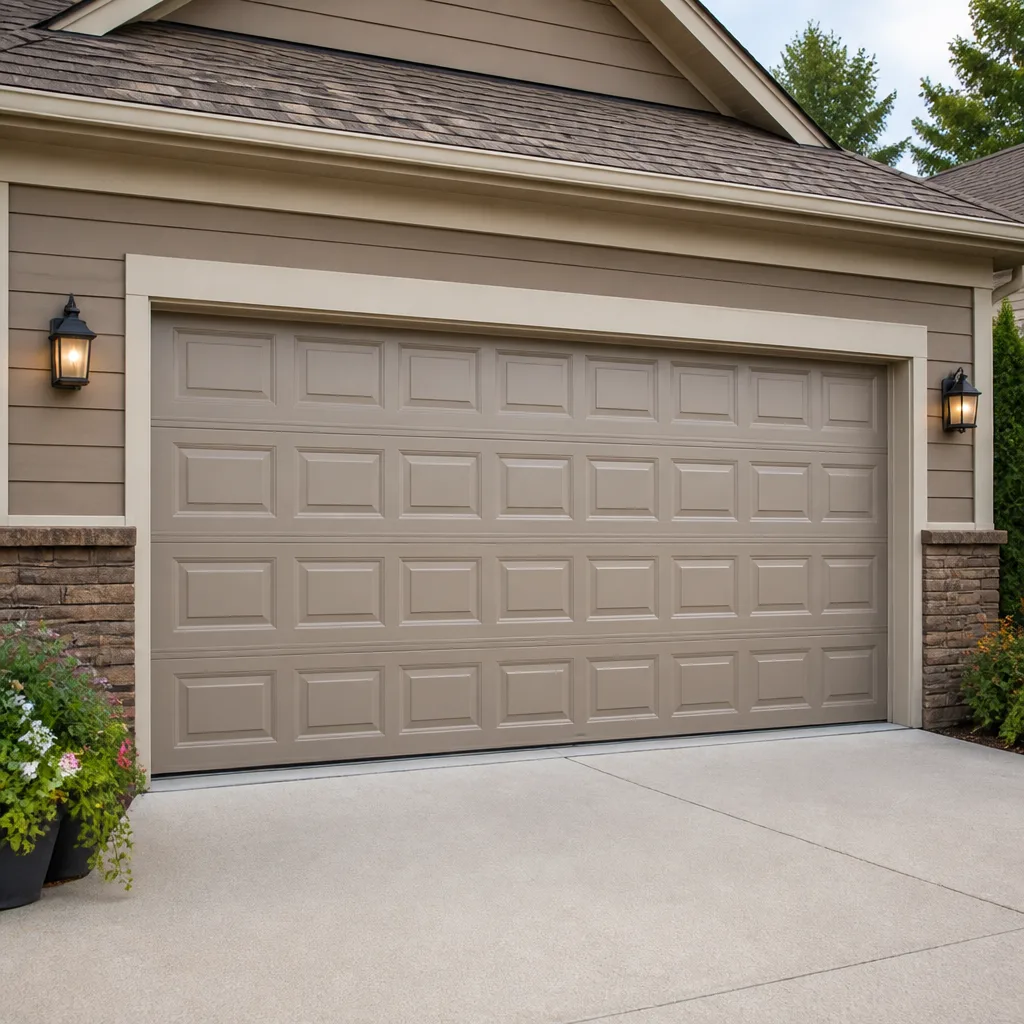
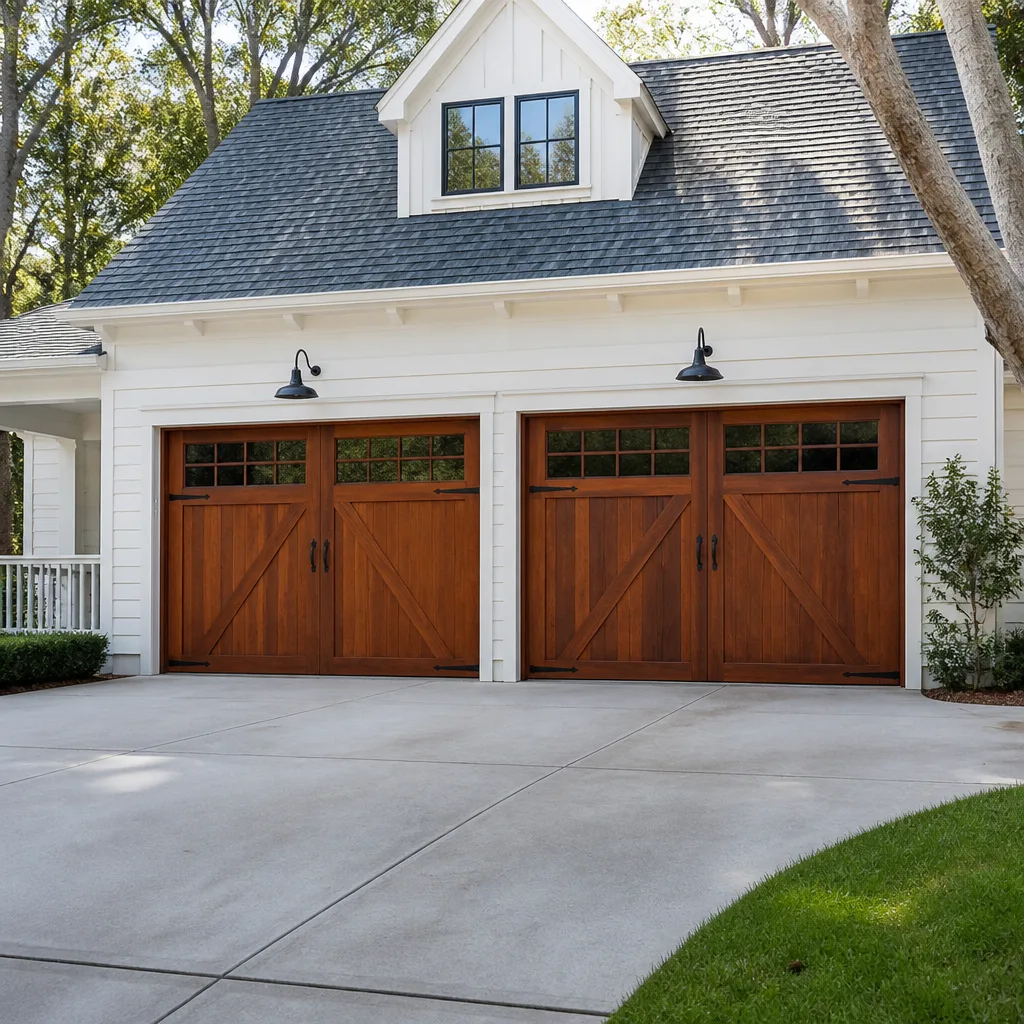
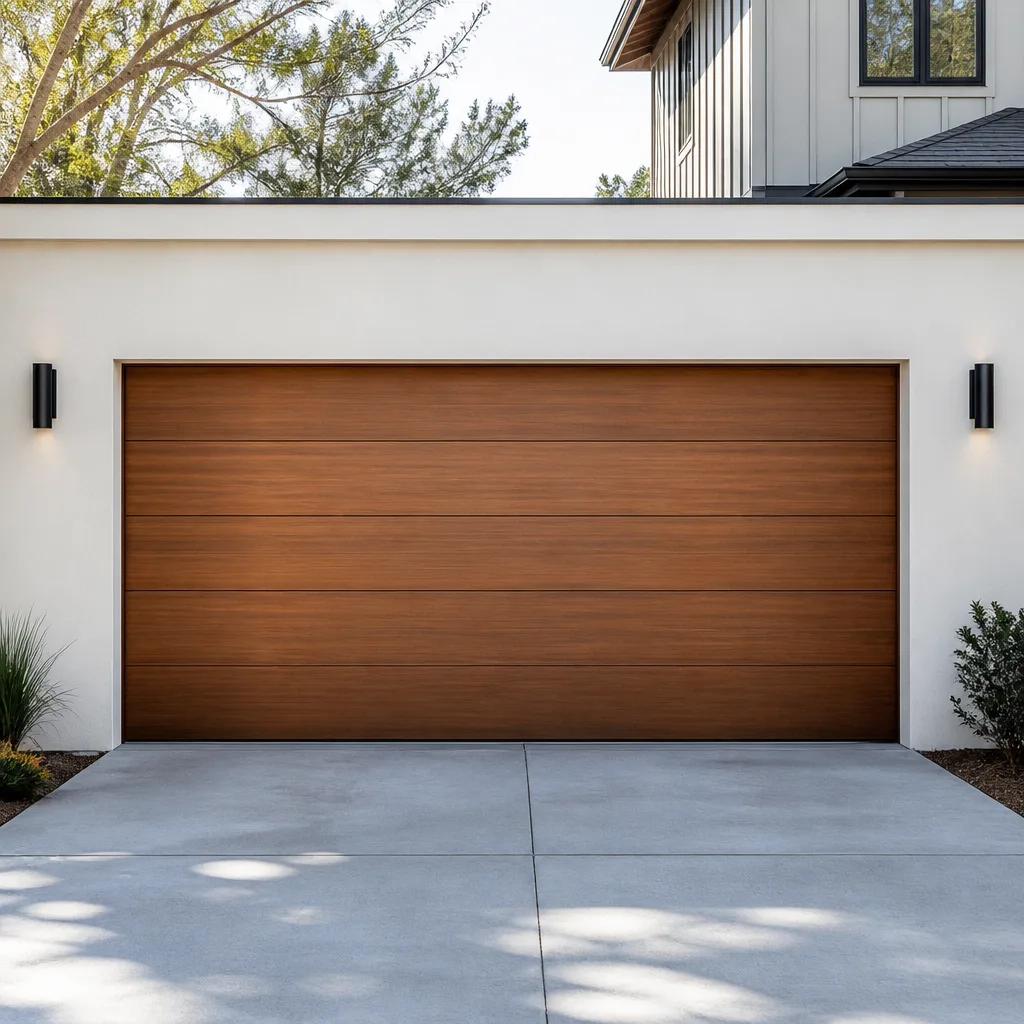
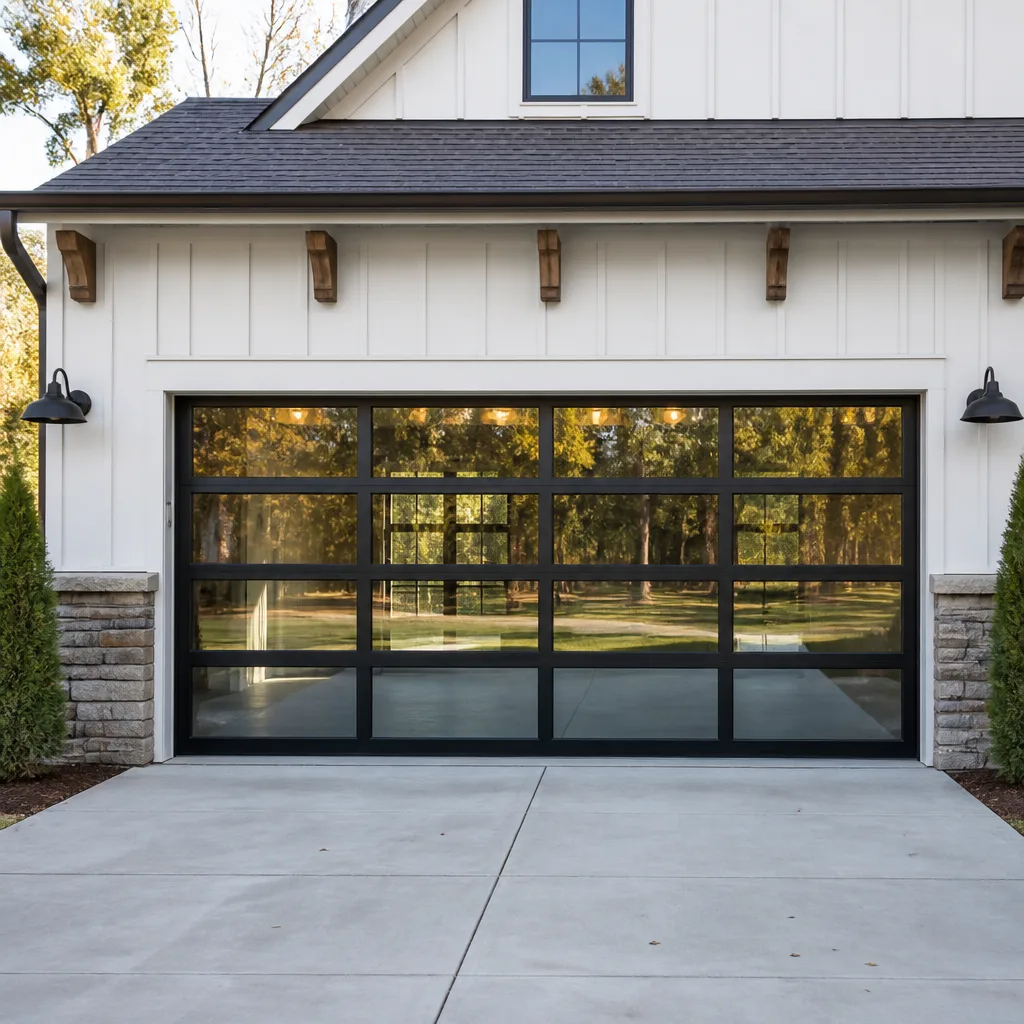
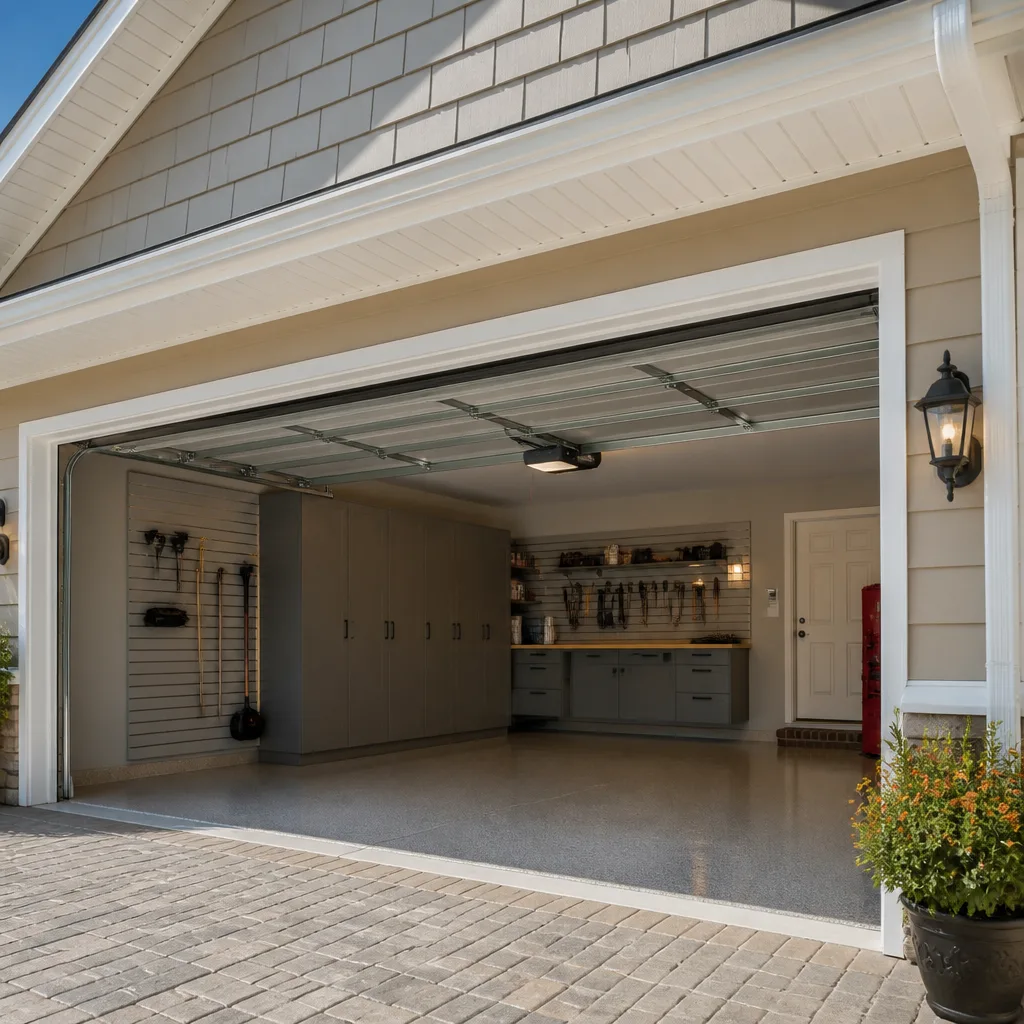
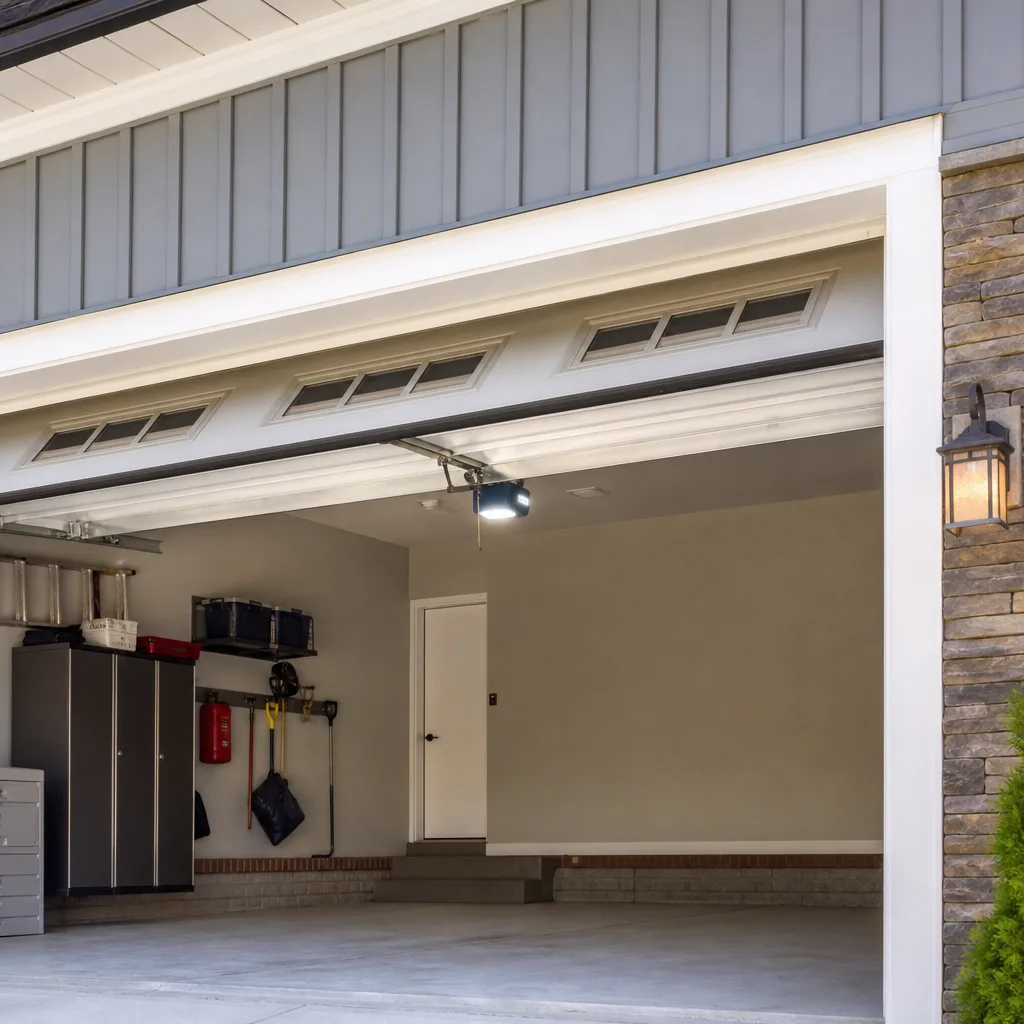
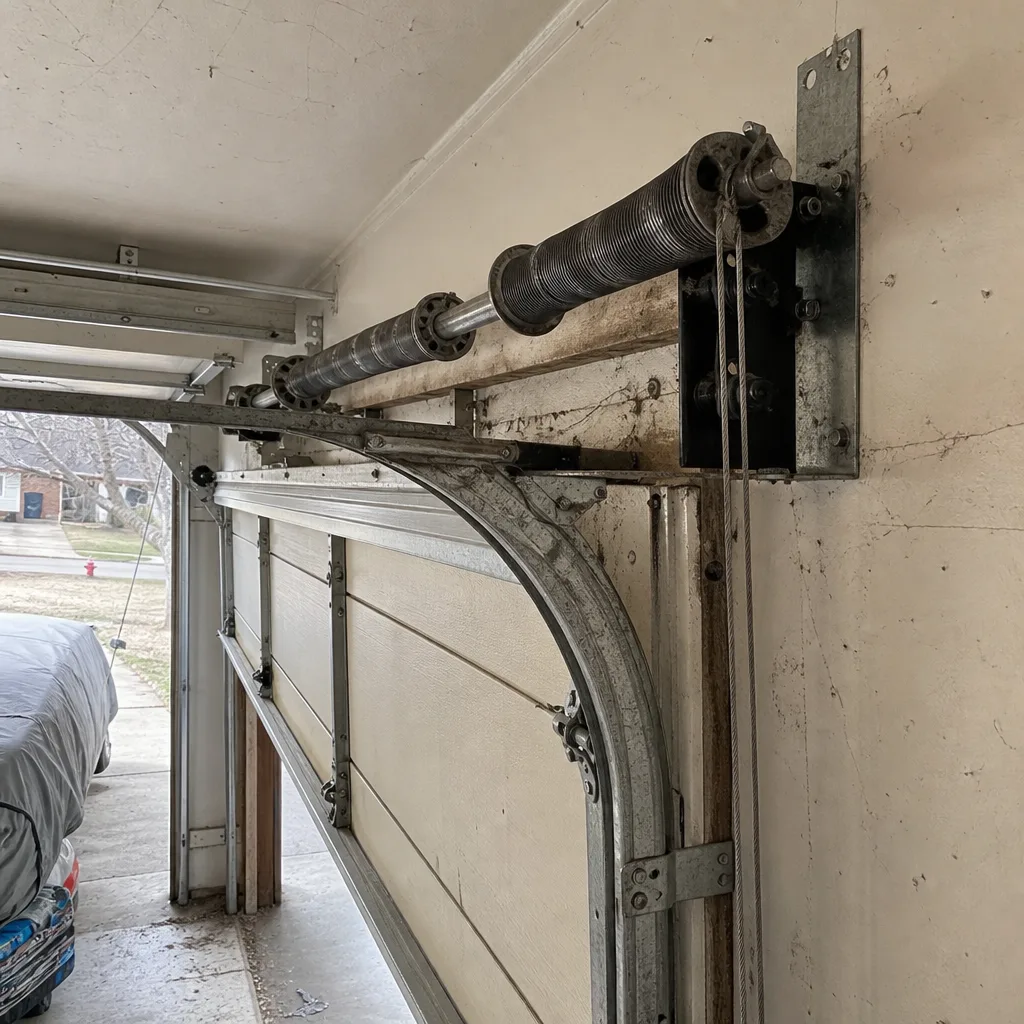 Before
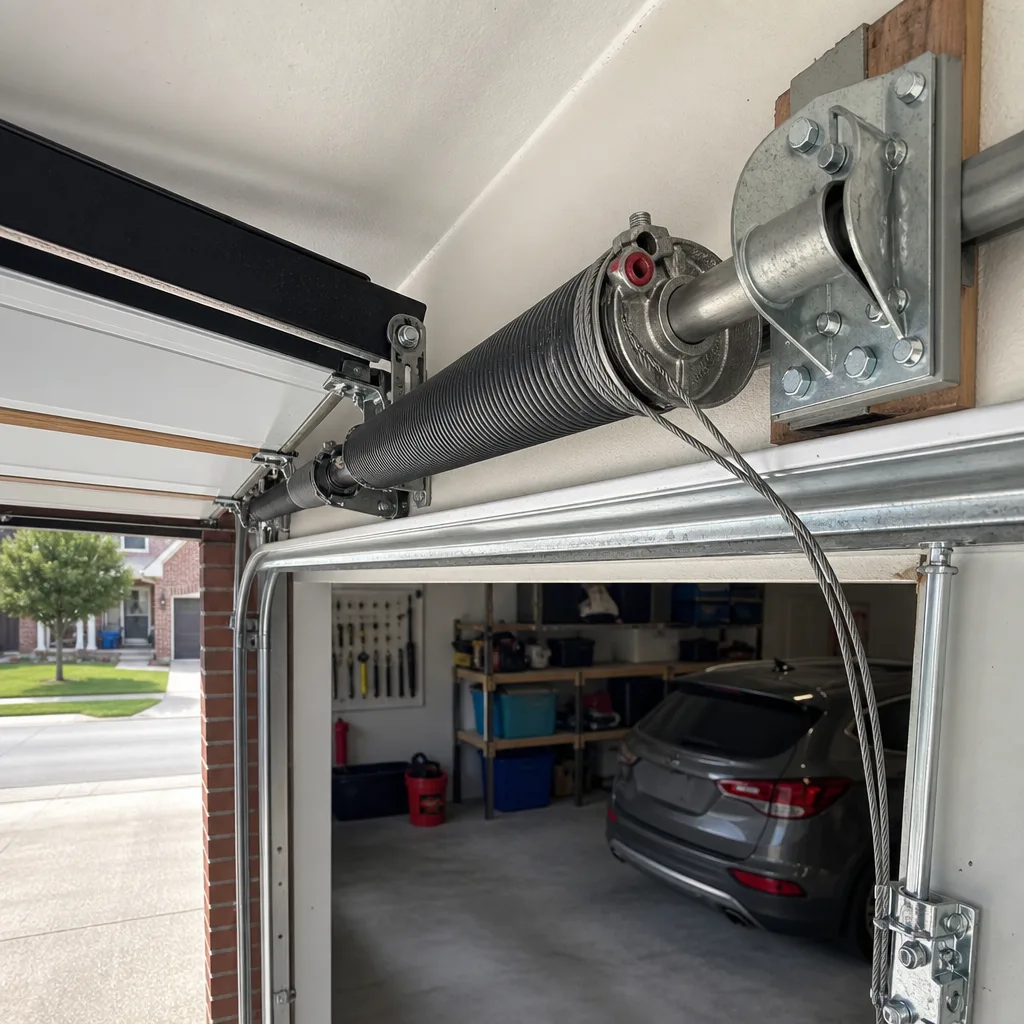 After
After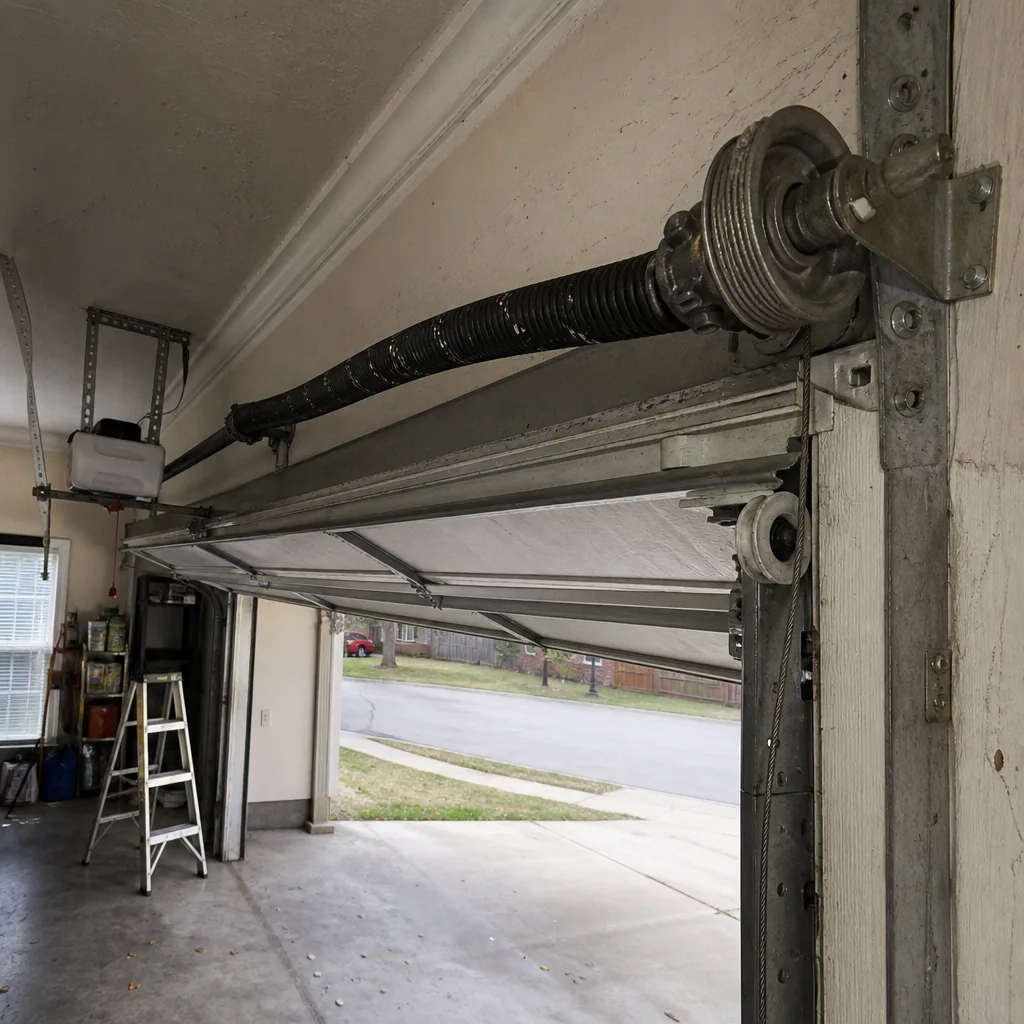 Before
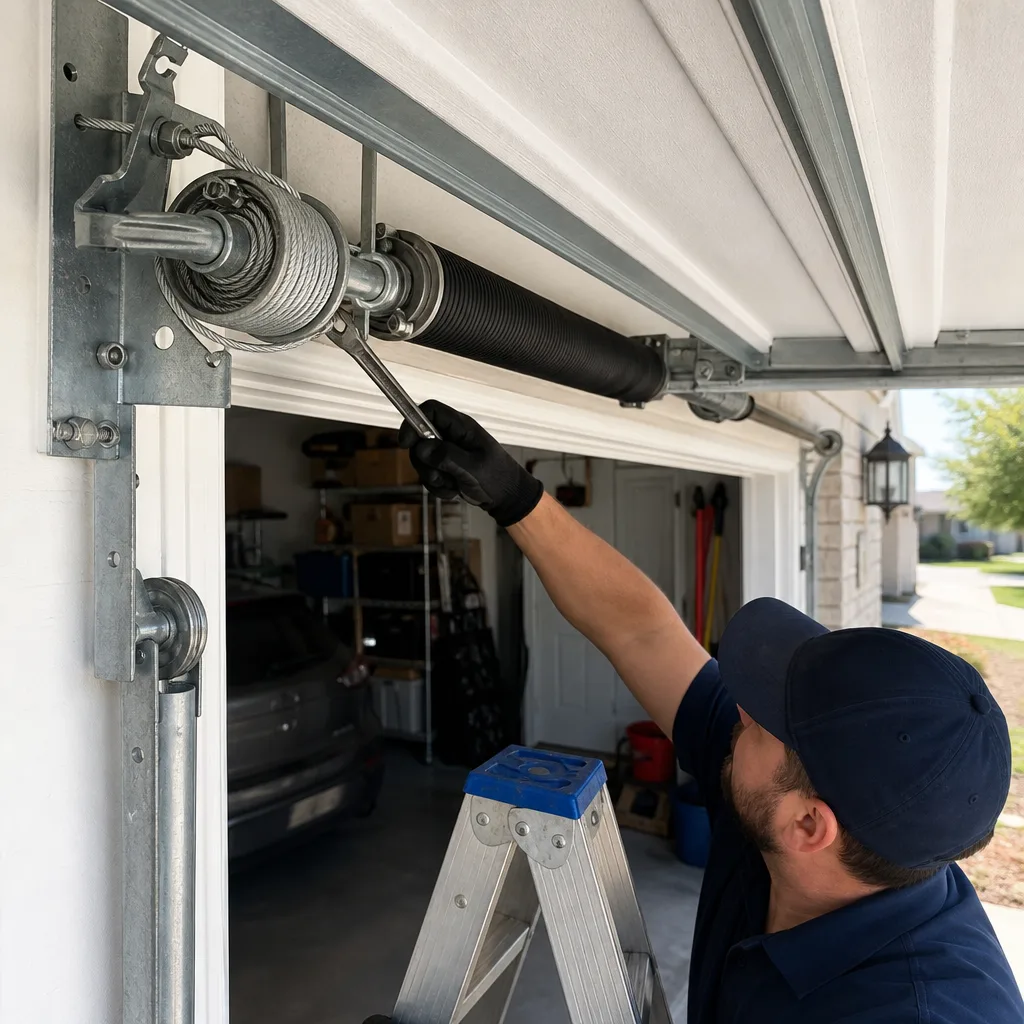 After
After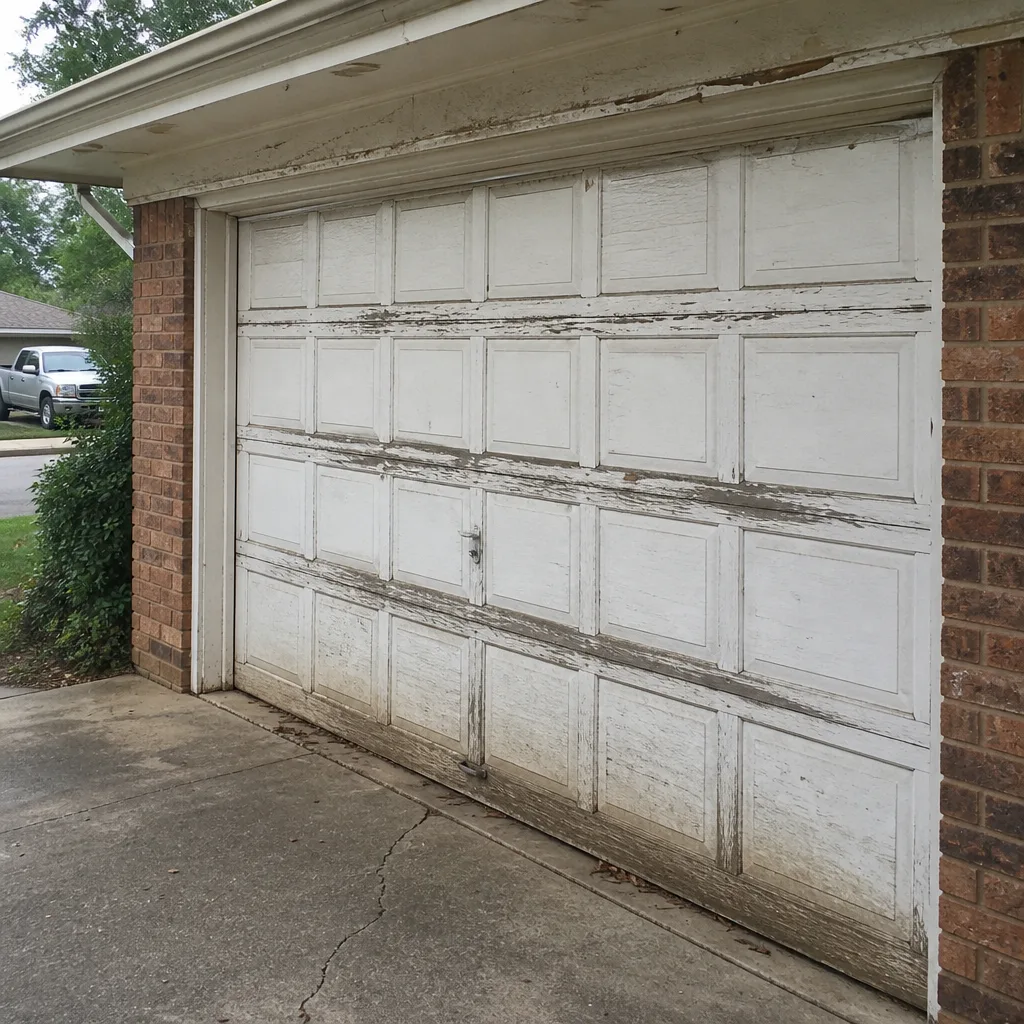 Before
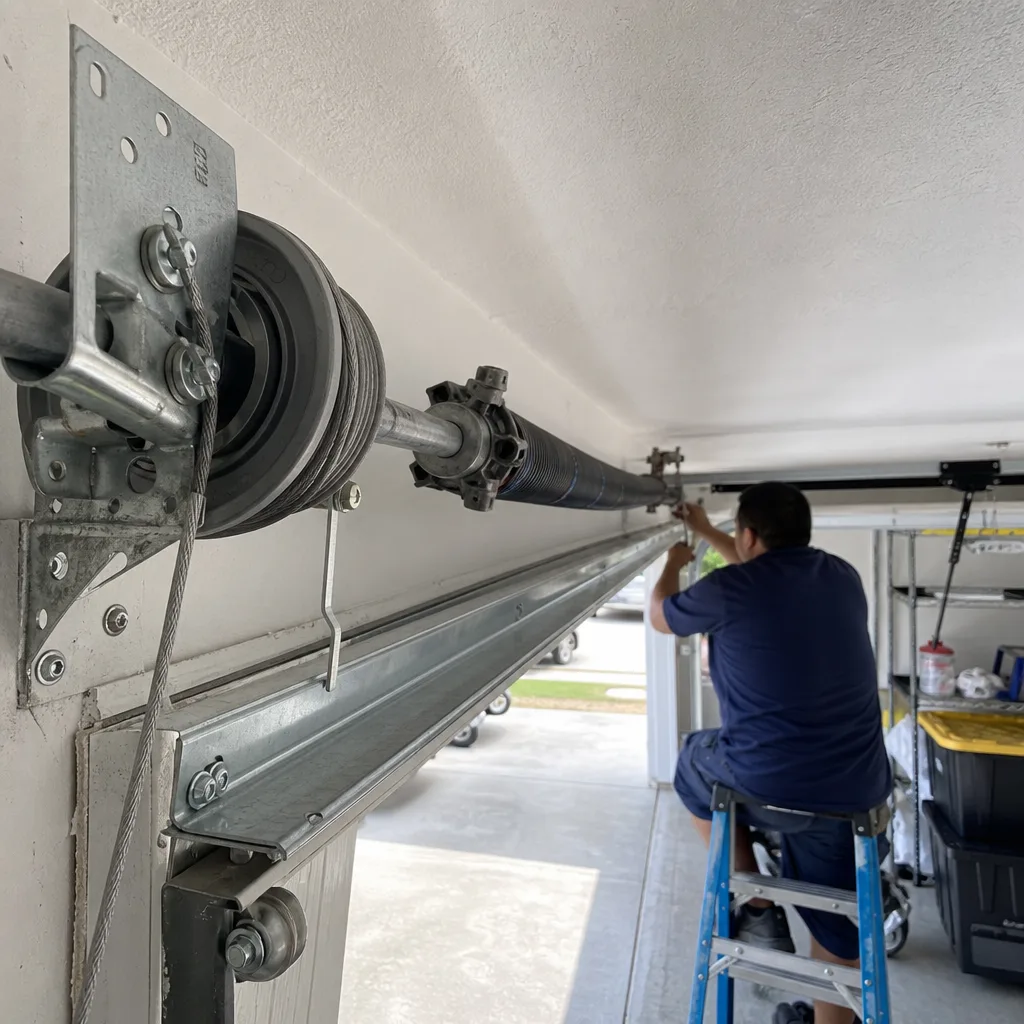 After
AfterThe Complete Guide to Garage Door in Fort Worth
The average Fort Worth home built between 1978 and 2005 has a garage door that’s now outlived its original spring set by at least a decade - most owners don’t know it yet. That steel door may still go up and down, but the torsion springs are cycling on borrowed time, and the hardware is fighting North Texas clay soil that never stops moving. In this guide, we’ll walk through what actually matters for garage doors in Fort Worth: how our climate and soil affect your system, which materials survive our hail season, when a repair makes sense versus a full replacement, and how to spot trouble before you’re trapped in your driveway at 6 a.m. on a Tuesday. For more guides & resources, visit our blog.
Quick Answer
A garage door in Fort Worth needs to withstand extreme temperature swings, sudden hail, and clay soil expansion that slowly pulls the frame out of square. For most homeowners, this means choosing insulated steel or aluminum doors rated for high wind loads, scheduling seasonal maintenance before summer heat peaks, and replacing torsion springs every 8-12 years regardless of apparent condition. The right system, properly maintained, should operate quietly and reliably for 20-30 years in this climate.
Table of Contents
- How Fort Worth Climate Affects Your Garage Door
- Choosing the Right Material for North Texas
- Understanding Springs, Cables, and Hardware
- When to Repair vs. Replace in Fort Worth
- Reading Your Door’s History: Permits and Prior Work
- Seasonal Maintenance for Fort Worth Homeowners
- Opener Selection and Smart Features
- Costs and What to Expect
How Fort Worth Climate Affects Your Garage Door
Fort Worth sits at the meeting point of several hard weather patterns, and your garage door takes the brunt of all of them. Summer highs regularly push past 100°F. Winter lows dip into the teens. Hail falls hard enough in West Fort Worth and the TCU area to total cars. And beneath all of it, the clay-rich Blackland Prairie soil expands when wet and contracts when dry, shifting concrete slabs and pulling door frames out of true.
Here’s what this means in practical terms.
Temperature swings destroy spring calibration. Torsion springs are calibrated to a specific tension at a specific temperature range. National installation standards assume moderate climates. In Fort Worth, a spring set tuned in March can be over-tensioned by August and under-tensioned by January. We’ve seen doors in the Ridglea and Arlington Heights areas that “work fine” in spring but reverse unexpectedly in summer heat because the spring tension has drifted outside the opener’s force limits. The fix isn’t a stronger opener. It’s a spring set recalibrated for our actual temperature range, with proper high-cycle springs rated for the load.
Hail resistance is not optional. The May 2023 hail event that tracked across Tarrant County left thousands of garage doors dented beyond repair. Standard 24-gauge steel panels dented on first impact. Doors in the Wedgwood and Wedgewood South neighborhoods with 25-gauge or thinner panels fared worst. If you live west of I-35, where hail tracks most frequently, a wind-load-rated door with 24-gauge or thicker steel, or a textured composite overlay, pays for itself the first time a storm rolls through.
Soil movement is slow damage. The clay soil in Fort Worth expands up to 10% when saturated and shrinks dramatically in drought. This cycles your garage slab and the frame attached to it. Over five to ten years, the vertical tracks can shift out of plumb. The door binds. The opener strains. The safety sensors misalign. In the Mistletoe Heights and Berkeley neighborhoods, where many homes sit on older slabs poured before modern soil prep standards, we regularly find doors that have been “repaired” three times for “opener problems” when the actual issue is a frame that’s drifted half an inch out of square.
What to watch for:
- Door rubs on one side of the frame but not the other
- Opener light blinks and won’t close, but sensors appear aligned
- Gaps between the door seal and the concrete that change with the season
- Cracks in the driveway or garage slab that run toward the door frame
These are climate and soil symptoms, not hardware failures. Fixing the hardware without addressing the frame alignment wastes money.
Choosing the Right Material for North Texas
Not every door that looks good in a catalog survives Fort Worth. Here’s how the common materials actually perform here.
Steel: the practical standard. Insulated steel doors dominate Fort Worth for good reason. They resist denting better than aluminum, don’t rot like wood, and the polyurethane insulation helps moderate the temperature swing that hits anything stored in your garage. For most homes in the Fairmount, Ryan Place, or Historic Southside areas, a 2-inch thick, 24-gauge steel door with an R-value of 12-18 is the right balance of durability and cost. Thinner 25-gauge or 26-gauge doors cost less upfront but dent under normal use and fail in hail.
Clopay and Amarr both manufacture steel lines specifically rated for Texas wind loads. The Garage Door Installation in Fort Worth page covers how we measure and specify these for your exact opening.
Aluminum: light but vulnerable. Full-view aluminum doors look sharp on modern homes in the Cultural District and West 7th corridor. The problem is weight. Aluminum is light, which means less load on the opener, but it also means less mass to resist wind and impact. In our experience, aluminum doors in Fort Worth need more frequent track and roller maintenance because the lighter panel flexes more in heat expansion. If you choose aluminum, budget for annual tune-ups rather than biennial.
Wood and wood composite: beautiful, demanding. Custom wood doors suit the Craftsman bungalows in Arlington Heights and the restored Victorians in Fairmount. They also absorb moisture when our humidity spikes, dry and crack when it drops, and require refinishing every 2-3 years in this sun. Wood composite overlays on steel cores, like certain Wayne Dalton lines, give the look without the maintenance liability. We’ve replaced fully rotted wood doors in the Rivercrest area that were installed just eight years prior.
Fiberglass: mixed results. Fiberglass resists denting and doesn’t corrode, but it becomes brittle in extreme heat and fades noticeably in Fort Worth sun within five years. We rarely recommend it for south- or west-facing doors that get full afternoon exposure.
Key specification for Fort Worth: wind load rating. Tarrant County requires doors to meet or exceed IRC wind speed standards, but the critical detail is the pressure rating in pounds per square foot. A door rated for 20 psf handles our typical thunderstorm outflow. One rated for 30-35 psf handles the severe events that roll off the Caprock a few times each spring. The upgrade cost is modest. The replacement cost after a blow-in is not.
Understanding Springs, Cables, and Hardware
The spring is the heart of the system. It’s also the most dangerous component to service, and the one most homeowners misunderstand.
A standard residential garage door weighs 150 to 250 pounds. The torsion spring, mounted on a shaft above the door, carries that entire weight so the opener only needs to manage 10-15 pounds of actual lift. When the spring weakens or breaks, the opener tries to do the spring’s job. It can’t. The motor burns out, the drive gear strips, or the door crashes down.
Spring life is measured in cycles, not years. A cycle is one open and one close. Standard springs are rated for 10,000 cycles. At four cycles per day, that’s about seven years. High-cycle springs are rated for 25,000 to 50,000 cycles. In Fort Worth, we install high-cycle springs as standard because our temperature swings accelerate metal fatigue. A spring that might last ten years in San Diego fails in eight here.
Never attempt spring repair yourself. Torsion springs store lethal energy. A broken spring can unwind with enough force to break bones or cause fatal head injury. Cable replacement, drum adjustment, and spring calibration require specialized tools and training. This is not a homeowner project. If you hear a loud bang from the garage, see a gap in the spring coil, or the door feels suddenly heavy, stop using it and call a professional.
The hardware that supports the spring system matters too. Here’s what we inspect on every Garage Door Repair in Fort Worth call:
- End bearings and center bearing: These support the torsion shaft and seize if not lubricated. A seized bearing adds friction the opener must overcome, shortening opener life.
- Cables and cable drums: Cables fray from abrasion against misaligned tracks. Drums can slip if the set screws loosen, causing uneven lift and door binding.
- Hinges and rollers: Steel rollers wear flat spots. Nylon rollers crack in heat. Hinges fatigue at the pin holes. We replace these in sets, not individually, because uneven wear causes tracking problems.
- Track alignment and bracket integrity: The vertical tracks must be plumb within 1/4 inch. The horizontal tracks must slope slightly down toward the opener. Brackets loosen from vibration and soil movement.
- Weather seal and bottom astragal: The rubber seal hardens in Fort Worth heat and loses flexibility. A cracked seal lets in dust, water, and pests, and reduces insulation value.
Our trucks carry springs, cables, rollers, hinges, and bearings for all major brands, including Mainspring Garage Door Co. home standard inventory. Most repairs finish in a single visit because we don’t have to order parts.
When to Repair vs. Replace in Fort Worth
This is the question we hear most often, and the answer depends on the door’s age, the failure pattern, and what the Fort Worth market offers in replacement value. See our detailed breakdown in DIY vs Professional Garage Door: The Fort Worth Homeowner’s Decision Guide.
Repair makes sense when:
- The door is less than 15 years old and the panels are intact
- The failure is isolated: one broken spring, a failed opener, a frayed cable
- The frame is square and the tracks are properly aligned
- You plan to stay in the home at least three more years
A spring replacement, cable set, and roller upgrade typically runs $250-$450 in the Fort Worth market. An opener replacement runs $400-$700 depending on horsepower and features. These repairs extend reliable service life by 7-10 years if the door itself is sound.
Replacement makes sense when:
- The door is over 20 years old and showing multiple failure points
- Panels are dented, rusted, or delaminating
- The frame has shifted and cannot be realigned without structural work
- You’ve repaired the same component twice in three years
- Energy costs are rising because the door has no insulation
- You want to change the door style for curb appeal or resale
In Fort Worth’s active resale market, particularly in neighborhoods like Tanglewood, Overton Park, and the Berkeley corridor, a new garage door returns 90-95% of its cost in home value according to regional remodeling data. It’s one of the highest-ROI exterior upgrades available.
The system rebuild: an underused option. Many Fort Worth homeowners don’t know there’s a middle path between repair and full replacement. A system rebuild keeps your existing panels if they’re sound, but replaces every moving component: springs, cables, rollers, hinges, bearings, and often the opener. This costs 40-60% of a full replacement and gives you essentially a new mechanical system. We recommend it for doors 12-18 years old with good panels but tired hardware, especially in the Wedgwood and Colonial areas where the original builder-grade doors were adequate but the hardware was never high quality.
The 90-Day Done Right Promise applies to repairs, rebuilds, and installations alike. If something isn’t right, we come back. No paperwork, no argument. That’s in writing on every job.
Reading Your Door’s History: Permits and Prior Work
Fort Worth keeps permit records online through the city’s Development Services portal. For garage door work, permits are required for new installations and structural modifications, but not for routine repairs like spring or opener replacement. For full details, see Garage Door Permits, Codes & Inspections in TX: What You Need to Know. Here’s how to use this information.
Check the permit history before you buy. If you’re purchasing a home in Fort Worth, search the address for permits related to garage door or garage modification. A permit pulled in 2015 for “garage door replacement” tells you the door’s age. No permit for a door that looks newer suggests unpermitted work, which may mean the installation didn’t meet code for wind load or safety sensor placement.
Look for patterns of repeated permits. Three permits for “garage door repair” across two years suggests a recurring problem that was never properly diagnosed. In the River Oaks and Fossil Creek areas, we’ve found homes where previous owners repeatedly replaced openers when the actual issue was a settling slab pulling the frame out of square. The openers failed because they were working against structural resistance, not because they were defective.
Understand what prior owners skipped. No permit for a door that was clearly widened or heightened means the header may not be properly engineered. No permit for electrical work related to an opener installation means the circuit may not meet GFCI requirements for garage outlets. These aren’t automatic deal-breakers, but they’re information you need.
Fort Worth-specific code notes: Tarrant County adopted the 2021 IRC with local amendments. Garage doors must have automatic reverse and photo-eye sensors. Doors in wind-borne debris regions (portions of Tarrant County near the Dallas County line) must meet impact-resistant standards. If your home is in a designated flood zone, the garage door may need to meet specific breakaway or watertight standards. A qualified installer knows these distinctions. A handyman who “does doors too” typically does not.
When we provide a Garage Door Installation in Fort Worth estimate, we check permit history as part of our site survey. It takes ten minutes and often reveals what the current owner never knew.
Seasonal Maintenance for Fort Worth Homeowners
Fort Worth’s climate demands a maintenance rhythm that national guides don’t capture. Here’s what we recommend, based on 42 years of watching doors fail in this specific environment.
Early March: Pre-storm inspection. Before hail season begins, inspect panels for existing dents or weak points that will fail under impact. Check weather seal for cracking. Test auto-reverse with a 2×4 laid flat in the door’s path. Lubricate rollers, hinges, and bearings with silicone-based lubricant, not WD-40, which attracts dust. Tighten all track brackets and lag bolts. In the Mistletoe Heights and Berkeley areas, where mature trees overhang many driveways, clear gutters and trim branches that could impact the door in wind.
Mid-June: Summer heat check. Run the door through ten cycles and listen. Grinding from rollers means they’re dry or worn. A opener that strains or stalls in mid-lift often indicates weak springs that have lost tension in heat expansion. Check the photo-eye alignment; direct summer sun can degrade the receiver lens and cause intermittent failure. If your garage faces west, the afternoon sun hits the door surface at 150°F or higher. Dark-colored doors absorb more heat and transfer it to the interior, stressing any items stored inside and increasing cooling load if the garage is attached.
Early October: Pre-winter tune-up. This is our busiest season for good reason. As temperatures drop, metal contracts, and marginally worn components fail. Springs that were “fine” in September break in November. The $89 Seasonal Tune-Up we offer includes spring tension check, hardware inspection, safety system test, and lubrication. Most importantly, it catches the components that are about to fail before they leave you with a door that won’t open on a 35-degree morning.
January: Post-freeze assessment. After our rare but hard freezes, check for water infiltration around the seal. If the garage slab heaved in the cold, the door may bind or seal poorly. The freeze-thaw cycle is particularly hard on doors in older Fort Worth neighborhoods like Fairmount and Ryan Place, where slabs were poured without modern vapor barriers and soil prep.
Annual professional maintenance pays for itself. A broken spring at 6 a.m. costs more than a tune-up. A door that fails in hail because a weak panel wasn’t reinforced costs far more.
Opener Selection and Smart Features
The opener is the most replaced component in a garage door system, and the most oversold. Here’s what actually matters in Fort Worth.
Motor type: chain, belt, or screw drive. Chain drives are durable and economical but louder. They’re fine for detached garages. Belt drives run quieter, which matters if the garage is beneath a bedroom, common in the two-story homes of Walsh Ranch and Alliance Town Center. Screw drives require less maintenance but struggle in temperature extremes; we don’t recommend them for uninsulated garages in Fort Worth. For most attached garages, a 1/2 or 3/4 horsepower belt drive from LiftMaster or Chamberlain is the right choice.
Battery backup is code in new construction. California’s requirement has influenced national availability. In Fort Worth, battery backup isn’t code-mandated but is worth the modest upcharge. Our thunderstorms knock power out several times each year. A battery backup lets you get your car out when the neighborhood is dark.
Smart features: useful or gimmick? Wi-Fi connectivity that lets you check door status and operate remotely is genuinely useful, especially for homeowners who travel. Camera integration is helpful if you’re receiving deliveries. Voice control through Alexa or Google is a convenience, not a necessity. What we caution against: openers that require subscription services for basic functions, and apps with poor security records. The Garage Door Opener in Fort Worth page details the specific models we install and support.
Force settings need seasonal attention. The opener’s force limit must be calibrated to the door’s actual weight, which changes slightly with temperature because of spring tension variation. We check and adjust force settings during every maintenance visit. An opener set too forcefully is a safety hazard. One set too lightly reverses unnecessarily or fails to close in cold weather.
Factory-familiar installation matters. We work on LiftMaster, Chamberlain, Genie, Craftsman, and Raynor openers regularly enough to diagnose problems quickly and stock the right parts. An installer who sees your model twice a year is guessing.
Costs and What to Expect
Fort Worth garage door pricing follows regional patterns with local variations. For a detailed look, see our Garage Door Cost Breakdown: The Fort Worth Homeowner’s Reference for 2026. Here’s what we quote in 2024-2025, with the understanding that every job is measured before we state a price.
| Service | Typical Range | What Affects Price |
|---|---|---|
| Spring replacement (pair) | $180 – $340 | Door weight, spring cycle rating, single vs. double spring |
| Cable replacement (pair) | $120 – $220 | Drum type, cable length, whether drums need replacement |
| Opener replacement | $400 – $750 | Horsepower, belt vs. chain, battery backup, smart features |
| Roller and hinge set | $150 – $280 | Nylon vs. steel rollers, number of hinges, door size |
| Full door replacement (steel, insulated) | $1,200 – $2,800 | Size, gauge, insulation R-value, window options, wind rating |
| System rebuild (panels retained) | $800 – $1,500 | Component scope, opener included or not |
| Seasonal tune-up | $89 | Fixed price, includes full inspection and lubrication |
These are quoted ranges, not estimates given over the phone sight unseen. We measure, inspect, and state the flat price before any work begins. That price does not change once we start. If we find additional damage during disassembly, we stop, explain, and quote the additional work separately. No surprises on the bill.
Current standing offers: $50 Off Any Repair Over $250, Free Second Opinion on any written estimate, $89 Seasonal Tune-Up, and a permanent 5% discount for seniors and veterans. These don’t expire and don’t require negotiation. We state them upfront because a square deal shouldn’t depend on your willingness to haggle.
Financing is available for full replacements through third-party providers we vet for fair terms. Most Fort Worth homeowners who finance choose 12-month same-as-cash options.
Common Mistakes to Avoid
- Ignoring a slow-moving door. A door that takes eight seconds to open instead of six is telling you the springs are weakening. Waiting for the break strands you and usually damages the opener too.
- Buying on brand name alone. Clopay, Amarr, and Wayne Dalton all make excellent doors and mediocre ones. The model and specifications matter more than the logo. A cheap door from a good brand is still a cheap door.
- Neglecting track alignment after foundation work. If you’ve had foundation repair in Fort Worth - common in clay soil areas - your door frame has shifted. Running the door on misaligned tracks destroys rollers and strains the opener within months.
- Choosing aesthetics over wind rating. The full-view glass door looks stunning on a modern home. In West Fort Worth hail, it’s a liability. If you want glass, specify impact-rated panels and budget for the upgrade.
- DIY spring replacement from online videos. The videos never show the emergency room visits. Torsion spring energy is measured in thousands of foot-pounds. The tools and training to handle it safely are not optional.
- Assuming all installers carry parts. Many Fort Worth-area technicians arrive with a diagnostic fee and a promise to “order what you need.” We carry springs for doors up to 18 feet wide, standard cables, rollers, hinges, and openers on every truck. Most jobs finish in one visit.
When to Call a Professional
Call when the door makes new noises, moves unevenly, reverses unexpectedly, or fails to respond. Call after any hail event that damages other property, even if the door looks intact - panel damage isn’t always visible from the outside. Call before you list your home for sale, because a failing door shows up on inspection and costs you negotiating position. Call if you don’t know the age of your springs and your home was built before 2005.
Carl Dutton and the team at Mainspring Garage Door Co. offer free estimates throughout Fort Worth. We’ll inspect your system, explain what we find, and state a flat price before any work begins. Call (817) 766-2028. A live person answers, 24 hours a day, including nights, weekends, and holidays. No phone trees. No voicemail. No after-hours answering service.
Frequently Asked Questions
Garage door spring repair in Fort Worth typically costs $180 to $340 for a standard torsion spring pair, depending on door weight and whether high-cycle springs are specified. We state the exact price after measuring your door and inspecting the hardware, and that price is fixed before we start. Call (817) 766-2028 for a free estimate.
Standard springs last 7-9 years in Fort Worth due to temperature swing stress, compared to 10-12 years in moderate climates. High-cycle springs rated for 25,000 cycles typically last 12-15 years here. We recommend inspection once the springs pass the 8-year mark.
Yes. For repair calls, we offer same-day service throughout Fort Worth when you call before early afternoon. Our trucks carry springs, cables, rollers, hinges, and openers for all major brands. Most repairs are completed in a single visit. Call (817) 766-2028 to check current availability.
No. The price we quote after inspection is the price you pay. If we discover additional damage during disassembly, we stop, explain, and quote separately before proceeding. There are no surprises on the bill. This is part of our 90-Day Done Right Promise.
New garage door installations require a permit in Fort Worth if the door is new to the opening or if structural modifications are made. Simple repairs like spring, cable, or opener replacement do not require permits. We handle permit applications as part of our installation service.
Insulated steel at 24-gauge or thicker, or steel with composite overlay, provides the best hail resistance for West Fort Worth and other hail-prone areas. Aluminum and thin-gauge steel dent easily. Wood can split. Impact-rated doors rated for 30-35 psf wind pressure handle the severe storms that track across Tarrant County.
The Bottom Line
A garage door in Fort Worth faces challenges that national buying guides don’t address: clay soil that shifts the frame, temperature swings that stress springs, and hail that tests panel strength. The right door, properly specified for this environment and maintained on a seasonal schedule, operates quietly for decades. The wrong door, or the right door neglected, becomes a recurring expense and a morning frustration. Start with honest assessment of your current system. Repair what’s sound, replace what’s not, and never defer maintenance that costs less today than failure will tomorrow. That’s the square deal we’ve offered Fort Worth homeowners since 1984.
Written by Carl Dutton, Owner at Mainspring Garage Door Co., serving Fort Worth since 2016.