
Last updated September 10, 2026
Full 25-point door and opener safety check with every visit - springs, cables, rollers, tracks, and your LiftMaster or Chamberlain opener included
You get a price before we start. It does not change when the truck arrives.
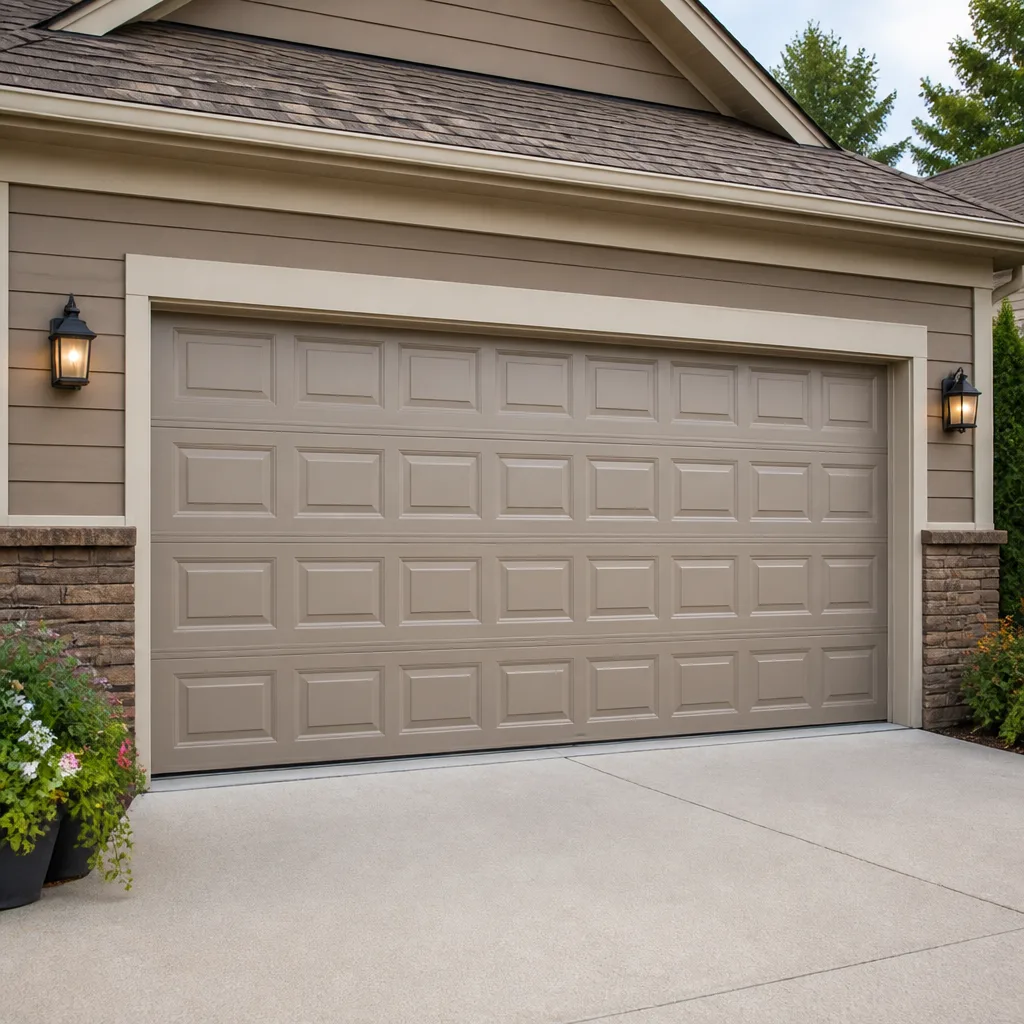
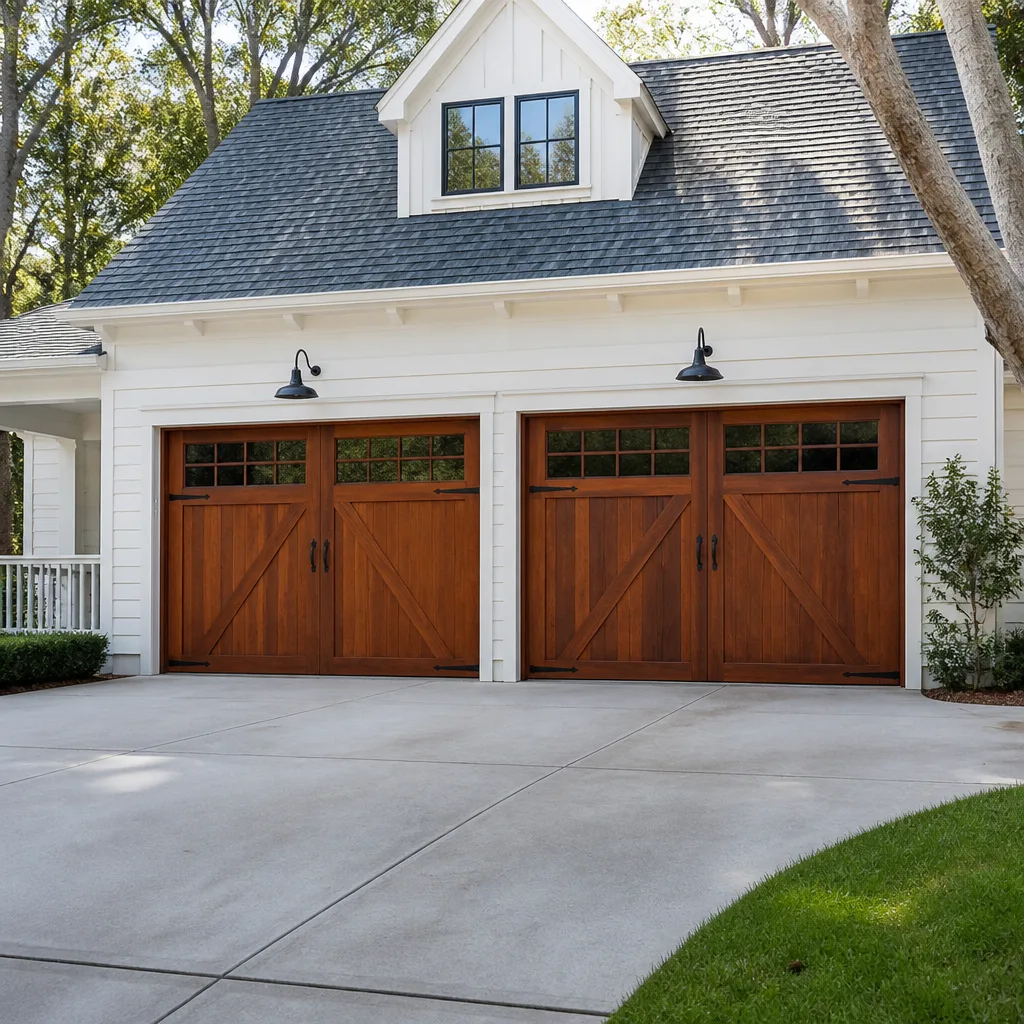
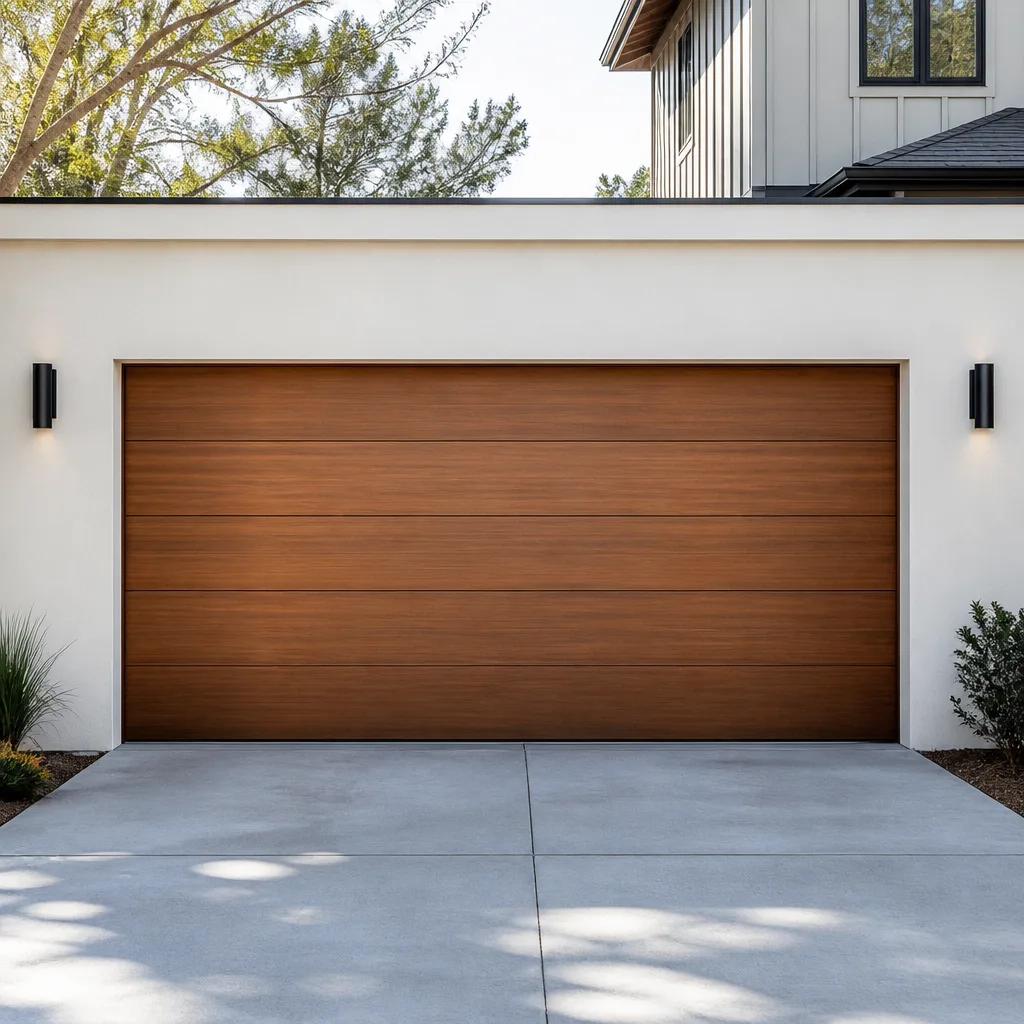
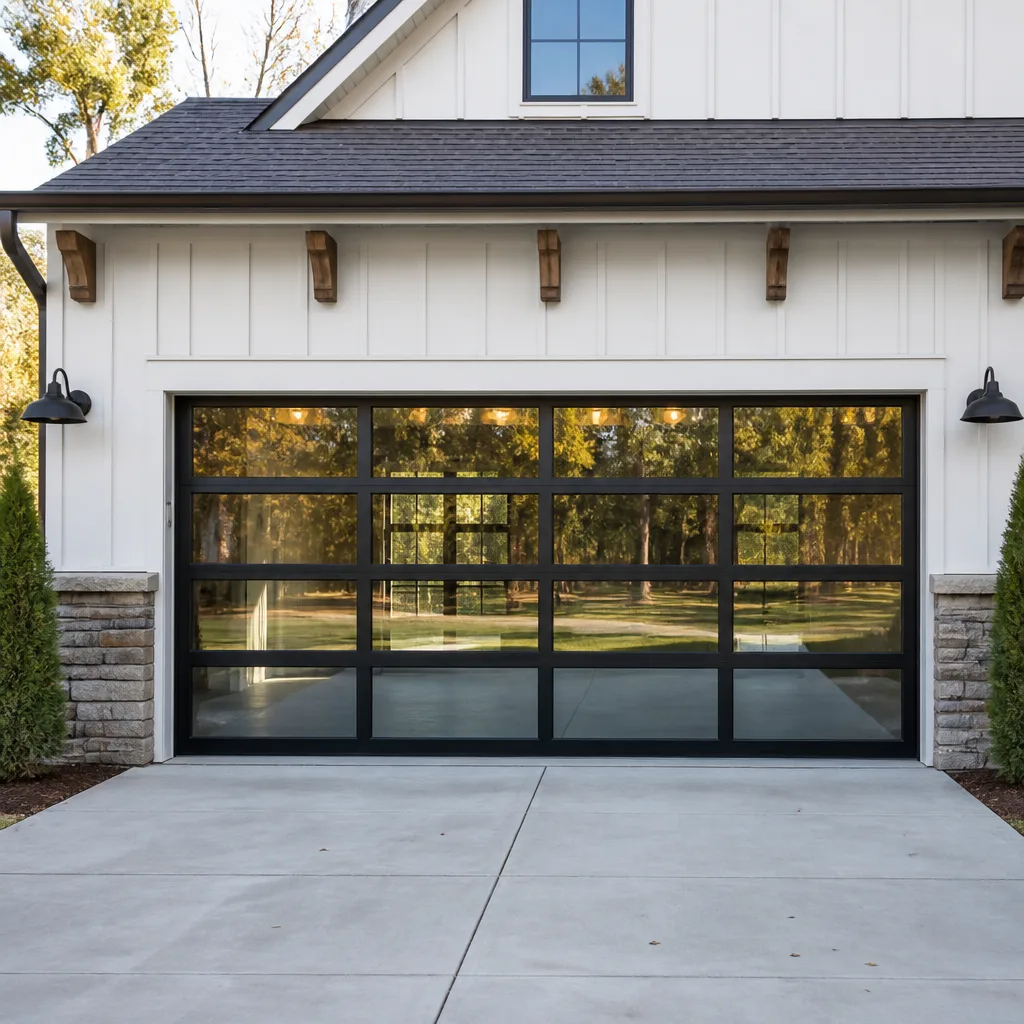
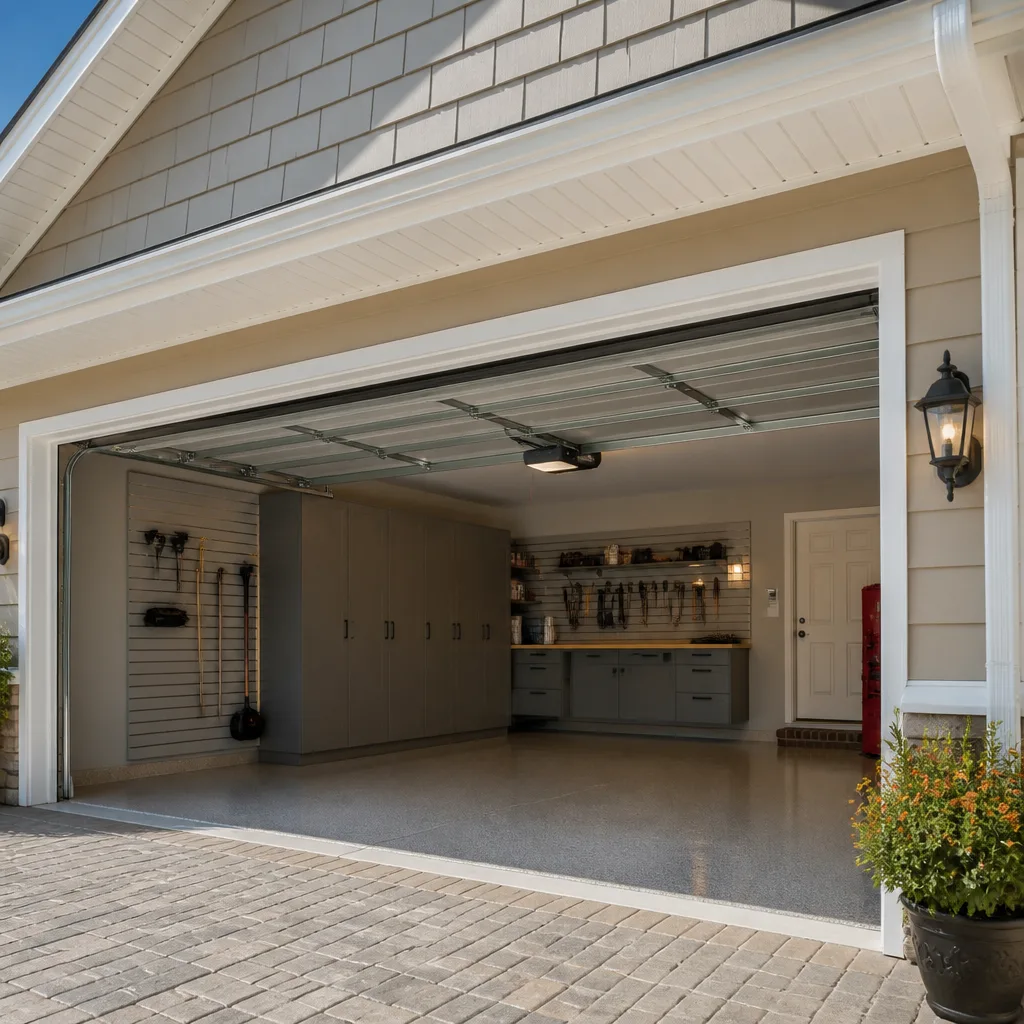
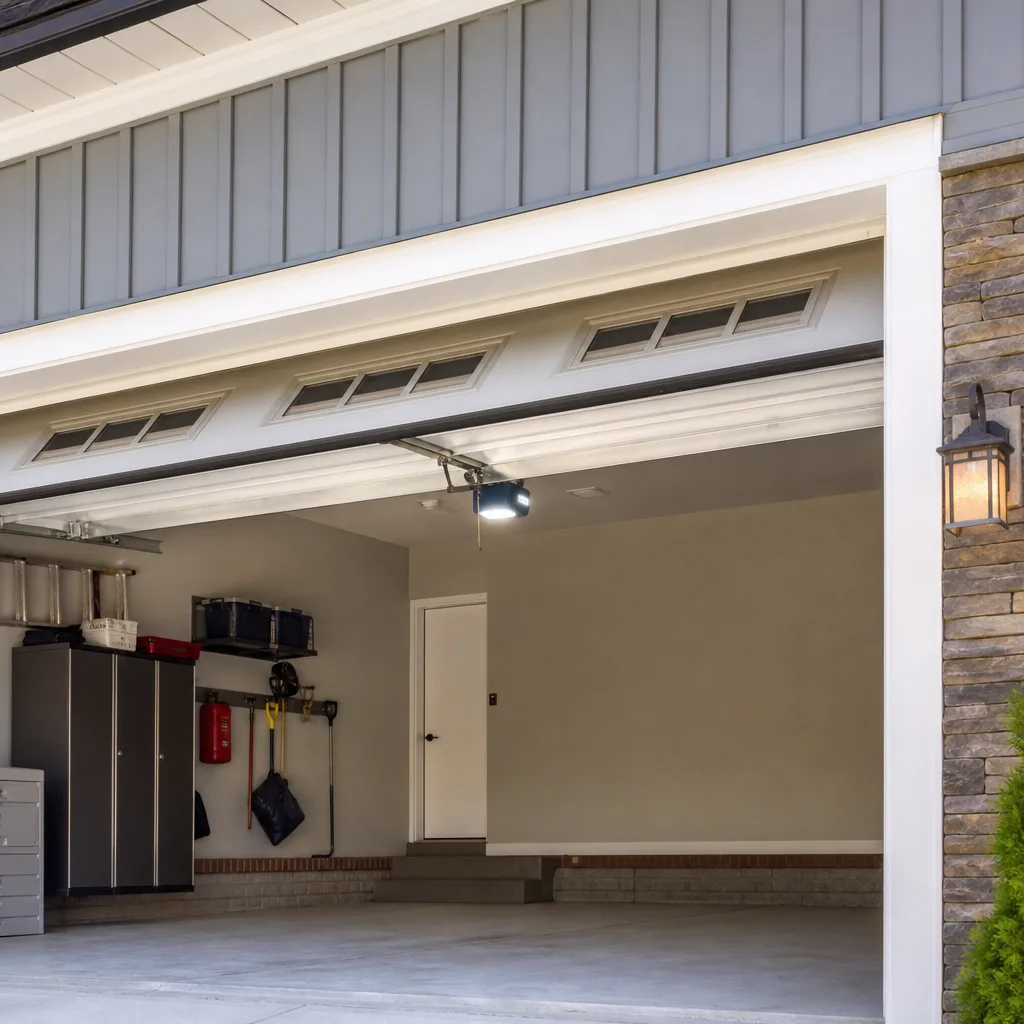
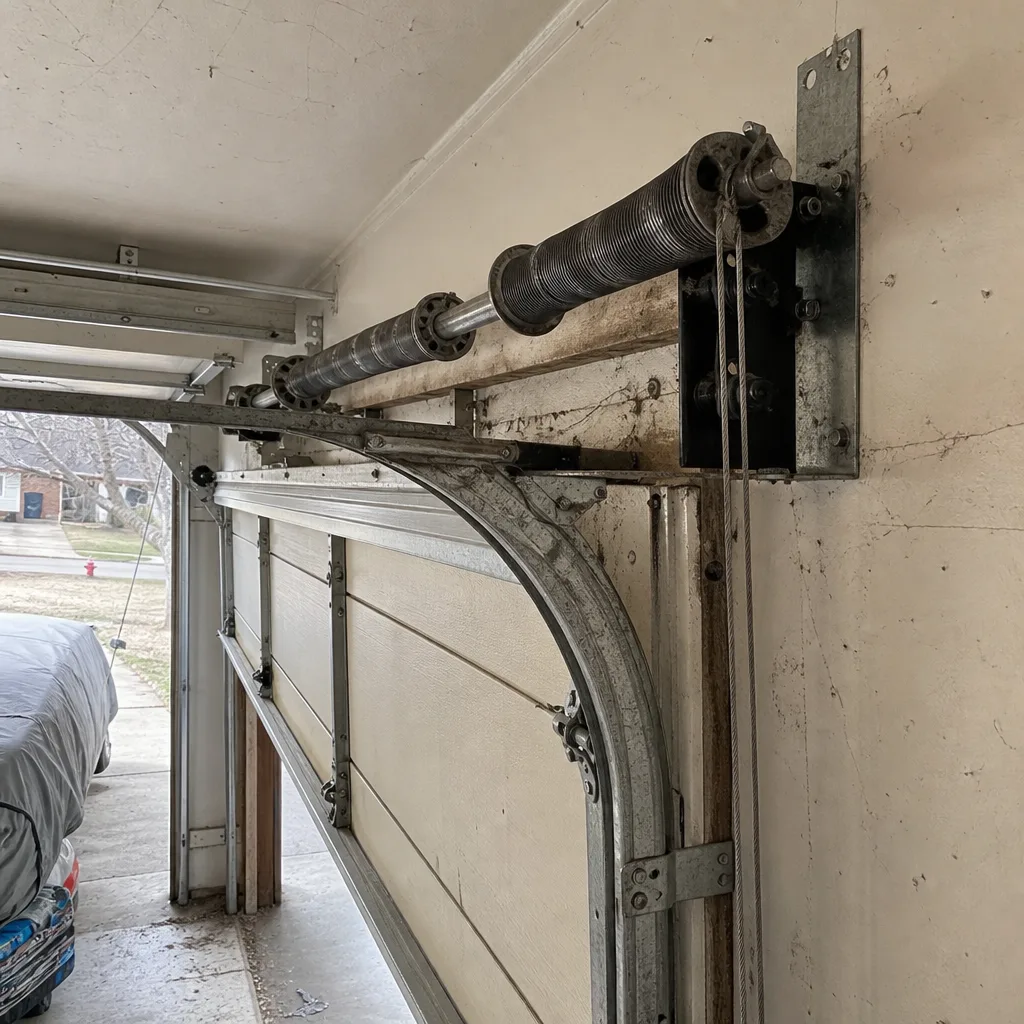 Before
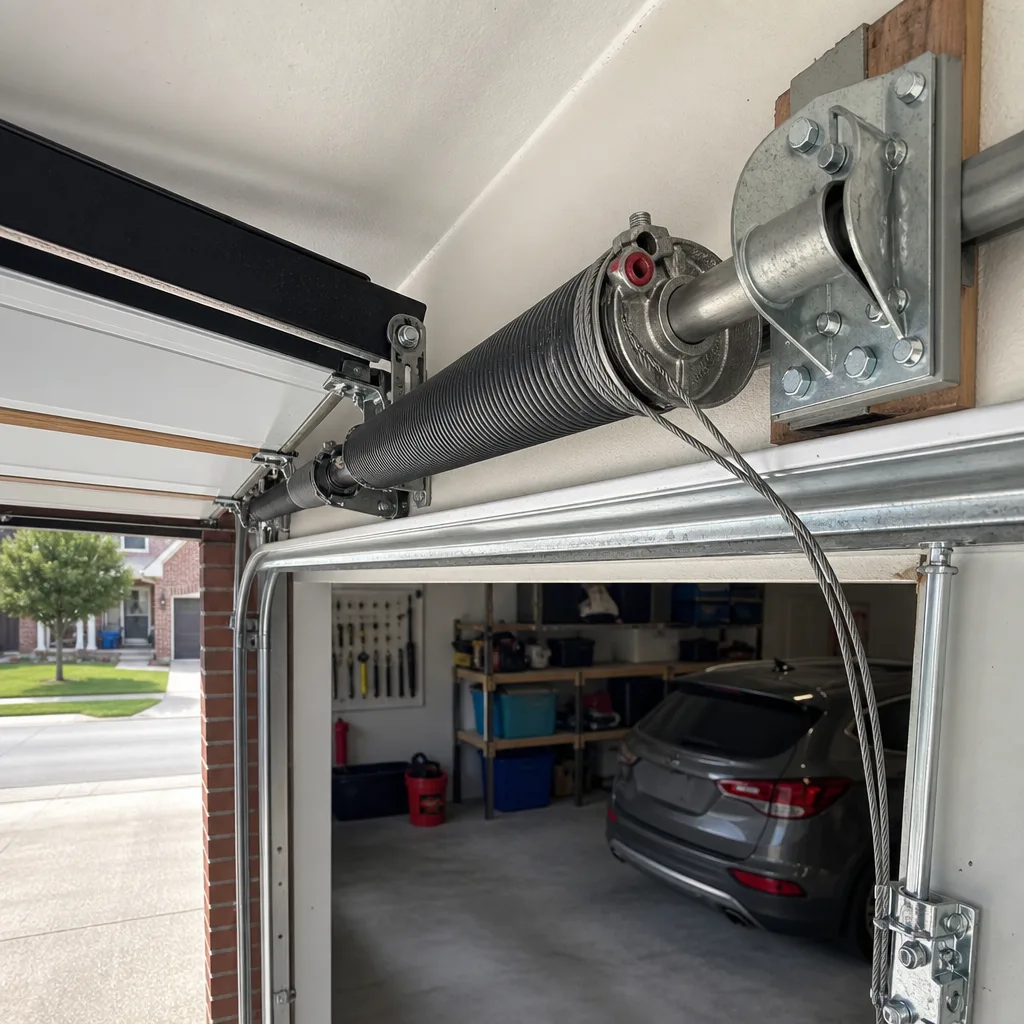 After
After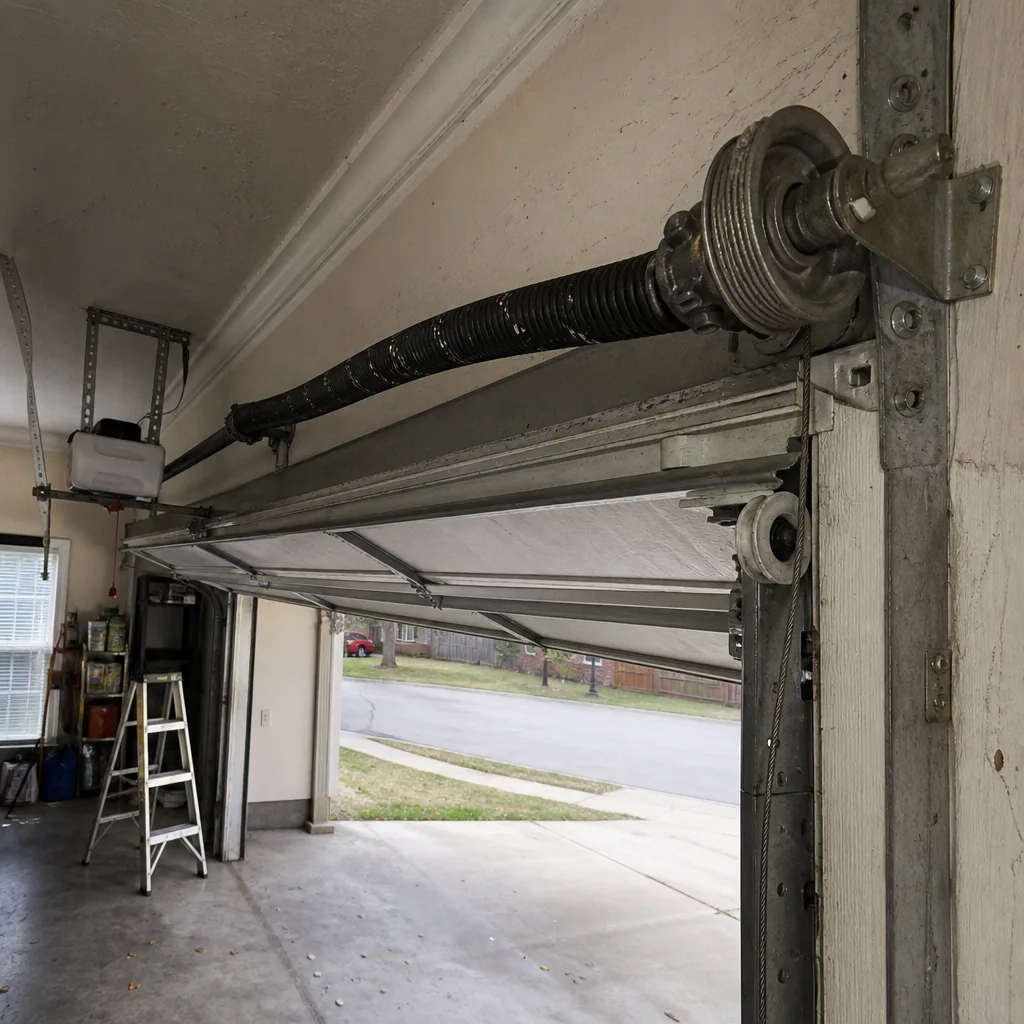 Before
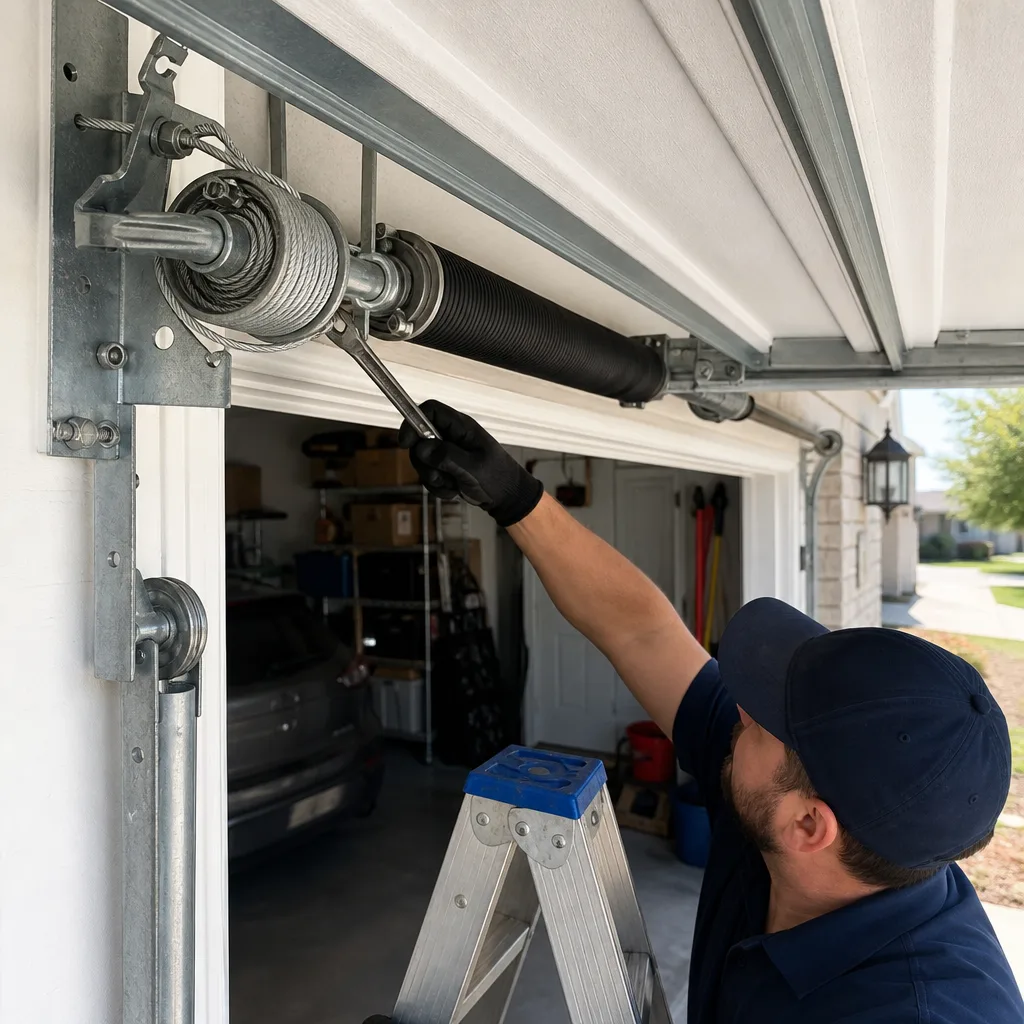 After
After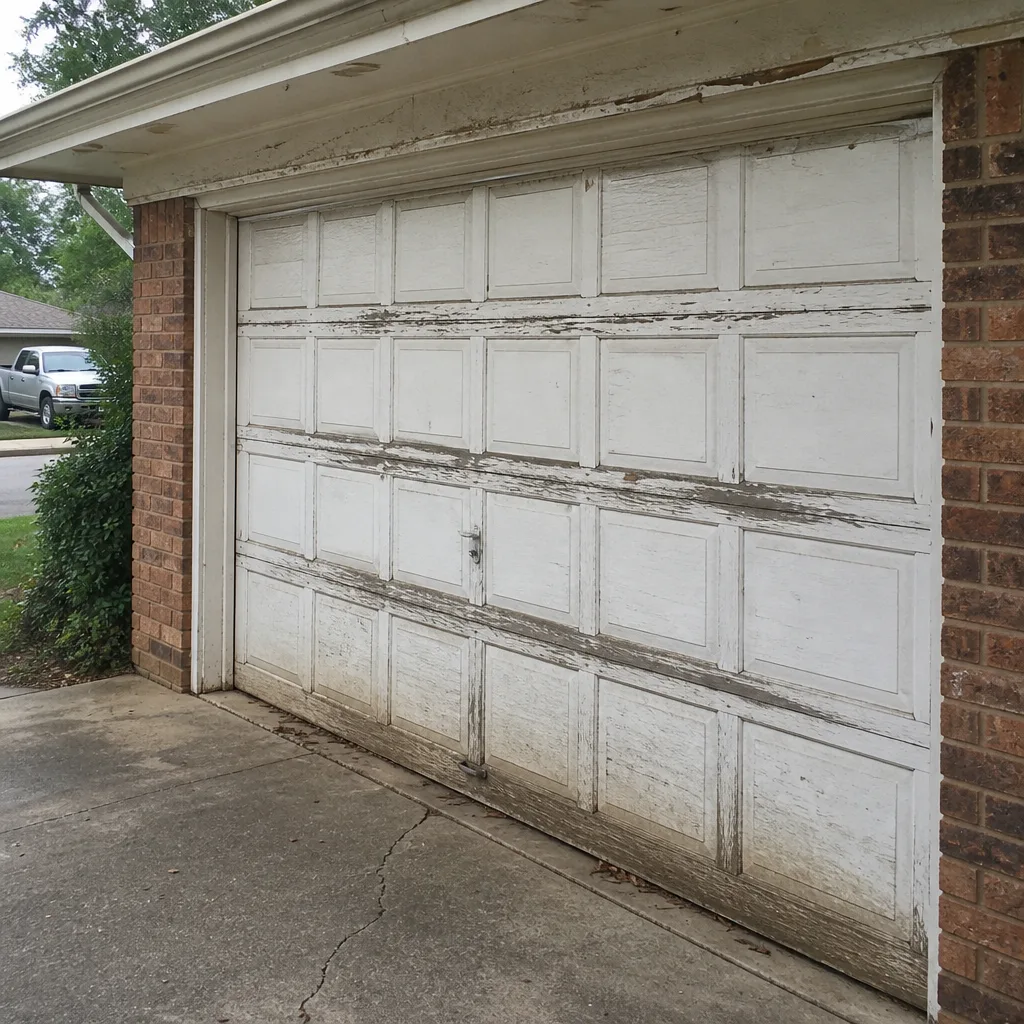 Before
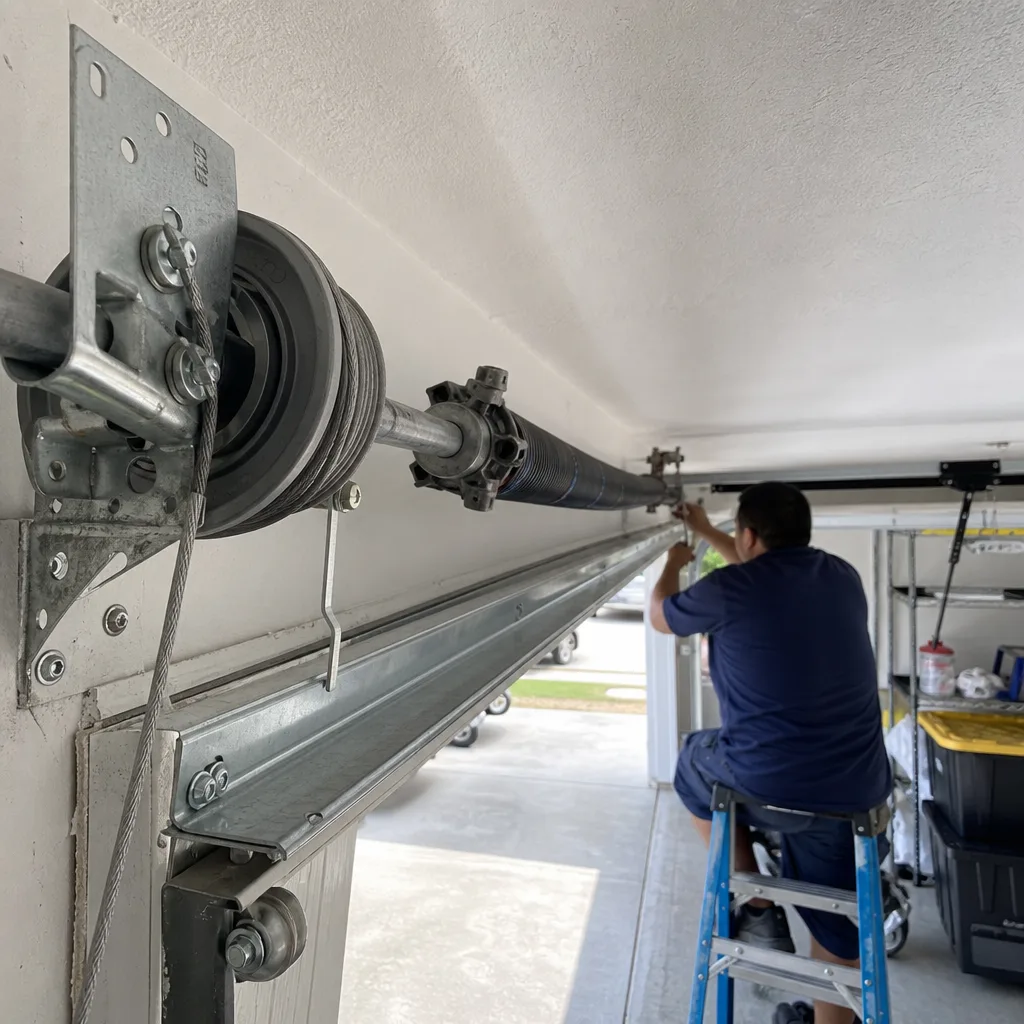 After
AfterGarage Door Permits, Codes & Inspections in TX: What You Need to Know
Here’s a fact that surprises most Fort Worth homeowners: a full garage door replacement on your existing opening usually requires zero city paperwork. But widen that opening by even six inches to fit a taller truck, and you’ve crossed into permit territory, and skipping it can stall your home sale years later. We’ve been called to jobs in Ridglea and Wedgwood where the previous owner’s unpermitted header modification showed up on the buyer’s inspection report like a red flag. This guide maps exactly where the permit line sits in Fort Worth, what Tarrant County adds on top, and how to protect yourself whether you’re hiring a garage door contractor in Fort Worth or checking the history on a house you’re buying.
Quick Answer
Most garage door work in Texas, including standard replacements and opener installations, does not require a permit. A permit is required when the work alters the structural opening, changes the header or load-bearing framing, modifies electrical service beyond a plug-in outlet, or converts the garage to living space. In Fort Worth, the Development Services Department handles permitting, while Tarrant County maintains separate rules for unincorporated areas, and your HOA may impose additional requirements.
Table of Contents
- When Is a Garage Door Permit Required in Fort Worth?
- Like-for-Like Replacements: What’s Exempt
- Structural Changes That Trigger Inspections
- Tarrant County Rules vs. Fort Worth City Code
- HOA Overlay Rules in Fort Worth Neighborhoods
- How to Pull Your Permit History in Fort Worth
- What Unpermitted Work Looks Like on a Title Search
- Common Mistakes to Avoid
- When to Call a Professional
- Frequently Asked Questions
- The Bottom Line
When Is a Garage Door Permit Required in Fort Worth?
Fort Worth Development Services draws a clear line between maintenance and modification. If you’re swapping a worn-out door for a new one on the same tracks, same opening, same header, you’re doing maintenance. No permit, no inspection, no fee.
The permit trigger flips when you alter the building envelope or its structural capacity. Here are the specific scenarios that require a Fort Worth permit:
- Widening or heightening the opening to accommodate a larger vehicle, RV, or equipment
- Modifying the header above the door, including replacing a wood header with steel or increasing span
- Changing from a single to a double door or adding a second door where one existed
- Converting garage space to habitable living area, which triggers residential building permits, energy code compliance, and fire separation requirements
- Adding or relocating electrical circuits for openers, lighting, or EV charging beyond a simple plug-in installation
- Installing a new door in a wall that previously had none, such as a side-yard garage addition
The permit fee structure in Fort Worth runs on valuation. A garage door modification with structural work typically falls under the residential alteration category, with base fees starting around $100-$150 plus plan review charges if engineering is involved. The city publishes its current fee schedule on the Development Services portal, and fees adjust annually, so we won’t quote exact figures that may have shifted since this writing.
Here’s where Fort Worth’s clay soil and expansive geology matter. Our black gumbo soil swells when wet and shrinks in drought, and the city knows it. Any structural modification to a garage opening, especially header work, may require a foundation assessment or engineer’s letter certifying that the altered load path won’t accelerate settlement cracking. We’ve seen this in Benbrook and western Fort Worth particularly, where the Eagle Ford Shale clay runs deep and seasonal movement can exceed four inches. A permit inspector will flag this. An unpermitted job won’t, until the cracks appear.
Timeline matters too. Fort Worth Development Services quotes standard review times of 5-10 business days for residential alterations, but structural work requiring engineering review can stretch to 3-4 weeks. The permit itself must be posted on-site, and inspections occur at rough-in (if structural) and final. Work cannot proceed past inspection milestones without sign-off.
Like-for-Like Replacements: What’s Exempt
The exemption that covers most garage door work is called “like-for-like replacement” in Fort Worth code language. It means you’re replacing a component with one of the same type, size, and function, without altering the structure or systems around it.
Specific exempt work includes:
- Door panel replacement on existing tracks and hardware
- Full door and track replacement using the same opening dimensions
- Opener installation or replacement plugged into an existing outlet
- Spring, cable, roller, and hardware repair or replacement
- Weatherstripping, bottom seal, and safety sensor adjustment
- Cosmetic refinishing or painting
The key phrase is “same opening dimensions.” In our 42 years, we’ve replaced thousands of doors in Fort Worth where the homeowner wanted a taller door for a lifted truck or a wider opening for a dual-cab diesel. Those are legitimate needs, but they’re not exempt. The moment you cut into the jack studs or modify the header, you’ve left maintenance and entered construction.
Opener work deserves its own clarification. A plug-in opener, even a new garage door opener in Fort Worth, is exempt. Hardwiring a new 240-volt circuit for a heavy-lift commercial opener or adding integrated LED lighting that taps into the house’s lighting circuit is not. The distinction is whether you’re drawing from an existing receptacle or modifying the home’s electrical system. If you need an electrician, you likely need an electrical permit.
Material changes within the same dimensions are exempt. Swapping a steel door for wood, or an uninsulated door for an insulated Wayne Dalton model with polyurethane foam, requires no permit. The city’s concern is structural and life-safety, not aesthetic preference or energy performance, though energy code compliance may apply to new construction or full garage conversions.
Structural Changes That Trigger Inspections
This is the section most competitors gloss over, and it’s where homeowners get caught if they miss the garage door warning signs Fort Worth inspectors watch for. Fort Worth inspectors are trained to spot four specific structural triggers that garage door contractors, especially low-bid outfits, sometimes miss or ignore.
Header modification. The header above your garage door carries the load of the wall, roof, and any second story above. A standard 16-foot opening with a 2×12 header might be fine for a lightweight steel door. Install a solid wood carriage door or a heavy insulated Raynor model, and that header may need to be engineered LVL or steel. Change the header material or depth, and you’ve triggered structural inspection. We’ve seen headers in Arlington Heights homes that were clearly undersized for the door hung on them, sagging visibly, installed by a previous owner who never pulled a permit and never had an engineer check the load.
Jack stud and king stud alteration. These are the vertical framing members beside your opening. Widen the door, and you’re cutting into or replacing these. Even a “small” widening, from 16 feet to 18 feet, removes structural continuity that must be compensated with proper header support and often additional framing. Fort Worth code requires pressure-treated lumber for any framing within 8 inches of grade, which matters in our climate where termites and moisture are constant pressures.
Wind load rating changes. Fort Worth sits in Tornado Alley. The city adopted the International Residential Code with local amendments, including wind speed requirements. If you’re replacing a door with one of a different wind load rating, especially in a newer subdivision with specific design pressures, the inspector may require documentation. This is common in gated communities along Bryant Irvin and in the Walsh Ranch area, where HOA covenants often exceed minimum code.
Foundation and slab modification. Lowering a garage floor to accommodate a taller vehicle, or cutting a curb for accessibility, affects the foundation system. This triggers both permit and engineering review in Fort Worth, and for good reason. Our expansive soils don’t forgive sloppy foundation work.
The inspection sequence for structural garage door work typically runs: foundation/footing (if applicable), rough framing and header, electrical rough (if applicable), and final. Each requires 24-hour notice to Development Services, and re-inspection fees apply for failed inspections. A competent contractor builds this timeline into the project. One who’s cutting corners may try to skip it entirely.
Tarrant County Rules vs. Fort Worth City Code
Fort Worth is entirely surrounded by unincorporated Tarrant County pockets, and the rules are not interchangeable. This confuses homeowners in Edgecliff Village, parts of Benbrook, and along the county line near Crowley, where the mailing address says Fort Worth but the jurisdiction says Tarrant County.
Tarrant County Development Services handles permits for unincorporated areas under the Tarrant County Building Code, which mirrors the International Residential Code with county-specific amendments. Key differences from Fort Worth city rules:
- Permit thresholds are lower. Tarrant County requires permits for any structural alteration exceeding $5,000 in valuation, where Fort Worth uses a more nuanced project-type system.
- Electrical work is more strictly separated. Tarrant County requires a licensed electrician and separate electrical permit for any hardwired opener or lighting circuit, where Fort Worth allows some homeowner electrical work with proper permits.
- Septic and drainage review applies to any garage conversion or addition that increases impervious cover, which Fort Worth handles through its stormwater utility.
- Fire separation requirements for attached garages are enforced at final inspection in Tarrant County with specific gypsum board and door rating checks; Fort Worth emphasizes this in new construction more than alterations.
The practical impact: if you live in unincorporated Tarrant County and want to widen your garage opening, you’re dealing with two offices, not one. The county building official handles structural and building permits. Tarrant County Environmental Services may review drainage if your alteration changes runoff patterns. And Tarrant County Fire Marshal inspects fire separation if your garage is attached to your home.
We’ve worked in both jurisdictions for decades. The county office on Taylor Street in Fort Worth processes permits, but their inspection scheduling runs differently than the city’s. County inspectors typically book 48 hours out, not 24. And county permit records are maintained separately from Fort Worth’s, which matters when you’re researching a property’s history.
One specific Tarrant County quirk: the county does not maintain an online permit history portal as robust as Fort Worth’s. You’ll need to call or visit to pull records on older work. This gap in digital accessibility means unpermitted work in unincorporated areas is harder to detect before purchase, and more likely to surface as a surprise during sale.
HOA Overlay Rules in Fort Worth Neighborhoods
City and county permits are only the base layer. In Fort Worth’s planned developments, the HOA architectural committee adds a second gate that can be stricter than code.
HOA rules that commonly affect garage door work include:
- Material and color restrictions - some HOAs mandate specific wood tones, prohibit certain window configurations, or require full-view aluminum doors in modern districts
- Style consistency - carriage house designs may be required in traditional neighborhoods, prohibited in contemporary ones
- Window placement and tinting - privacy and uniformity rules often specify no street-facing windows below 6 feet, or frosted glass requirements
- Hardware specifications - decorative strap hinges and handles may be required or banned depending on architectural guidelines
- Approval timelines - 30-45 day architectural review periods are common, with no work allowed until written approval is issued
In Fort Worth, active HOA architectural oversight exists in Mira Vista, Montserrat, Walsh, the Cultural District lofts, and most newer developments along Chisholm Trail Parkway. The Westover Hills and Rivercrest associations are particularly detailed in their garage door specifications, with some requiring pre-approved manufacturer lists that include Amarr and Wayne Dalton but exclude others.
Here’s the critical point: HOA approval does not substitute for city or county permits. You can have full HOA sign-off and still be unpermitted in the city’s eyes. Conversely, a city permit does not override HOA disapproval. We’ve seen homeowners in the Park Hill area complete permitted work, only to receive HOA violation notices because the door style wasn’t pre-approved. The fines run monthly until compliance.
Before any significant garage door project in a Fort Worth HOA community, request the architectural guidelines in writing, submit for approval with manufacturer cut sheets and color samples, and confirm whether the HOA requires a final walkthrough. Some associations, particularly in the Alliance Town Center area, now require photo documentation of completed work before releasing the compliance letter needed for resale.
How to Pull Your Permit History in Fort Worth
Whether you’re buying a home in Ridgmar, selling in Tanglewood, or checking your own property before a major project, Fort Worth’s public records are accessible and free. Here’s exactly how to access them.
- Navigate to the Fort Worth Development Services portal. Search “Fort Worth Development Services public access” or use the city’s main site to reach the Accela Citizen Access system. No account is required for basic searches.
- Enter the property address. Use the full street address as it appears on your tax records. The system will return all permits associated with that parcel, including building, electrical, mechanical, and plumbing.
- Review permit types and dates. Look for permits with descriptions including “garage,” “door,” “alteration,” “residential addition,” or “remodel.” Note the permit number, issue date, and final inspection status.
- Click through to inspection details. Each permit shows inspection history: scheduled, passed, failed, or cancelled. A permit with no final inspection is an open permit, which can cloud title.
- Download or screenshot records. The system allows PDF export of permit cards and inspection details. Save these with your home records.
- Check for multiple addresses on your parcel. Some Fort Worth properties, especially in older neighborhoods like Fairmount and Ryan Place, have had address renumbering. Search variations if your initial query returns sparse results.
What you’re looking for specifically: any permit for garage door work in the past 20 years, any structural alteration permit that might have included garage modifications, and any open or expired permits that were never finaled. An open permit from 2015 for “residential alteration” with no final inspection may indicate unpermitted garage work that the original contractor never completed properly.
For properties in unincorporated Tarrant County, call Tarrant County Development Services at their Taylor Street office. Records pre-dating 2000 may require an in-person visit. The county charges nominal fees for printed copies, but verbal confirmation of permit existence is free.
We’ve advised dozens of Fort Worth homeowners to run this search before listing their homes. In a market where buyers are increasingly savvy about unpermitted work, a clean permit history is a selling point. A murky one is a negotiation lever for the buyer, and often a $5,000-$15,000 price reduction.
What Unpermitted Work Looks Like on a Title Search
This is where the abstract meets the concrete. Unpermitted garage door alterations don’t always announce themselves with a neon sign. They surface in specific, predictable ways during real estate transactions.
A title search itself, run by the title company, primarily checks for liens, encumbrances, and ownership chain. It does not automatically include permit history. But the buyer’s inspection, the appraisal, and the lender’s requirements all intersect with permit status, and that’s where problems emerge.
Buyer’s inspection findings. A competent home inspector in Fort Worth will measure garage door openings, check header condition, and note discrepancies. A 20-foot opening in a home built with 16-foot garages raises obvious questions. So does a steel header in a 1970s home that originally had wood framing. Inspectors in our market, especially those serving the Park Cities and Westover Hills, are trained to flag these as “further evaluation recommended,” which triggers the buyer’s due diligence.
Appraisal requirements. FHA and VA appraisers specifically check for code compliance and permit status on structural modifications. An unpermitted garage conversion or opening modification can result in an appraisal “subject to” the issue being resolved, which means the loan doesn’t fund until it is.
Title insurance endorsements. Some title companies in Texas now offer permit compliance endorsements, and lenders are increasingly requiring them. If the seller cannot provide permit documentation for visible alterations, the title company may exclude coverage for unpermitted work, or require an indemnity agreement.
Disclosure obligations. Texas property code requires sellers to disclose known defects and code violations. An unpermitted garage door alteration that the seller knew about, or should have known about, becomes a disclosure item. Failure to disclose can support a post-sale claim for damages.
The specific red flags we see in Fort Worth:
- Garage door header sagging or cracking in homes with recent “renovation” but no permits
- Electrical outlets inside garage door tracks, indicating DIY opener wiring
- Foundation cracks radiating from altered garage openings, especially in western Fort Worth clay soils
- HOA violation letters in the seller’s disclosure packet, revealing work done without architectural approval
- Appraisal photos showing door styles inconsistent with neighborhood standards, suggesting unapproved replacement
The remediation path is usually more expensive than the original permit would have been. Pulling a retroactive permit in Fort Worth requires opening walls, exposing the work for inspector verification, and often engineering letters certifying structural adequacy. In Tarrant County, retroactive permits carry higher fees and may require plan review that wasn’t needed for the original work. The 42 years we’ve been in this trade have taught us that the permit is cheaper than the fix.
Common Mistakes to Avoid
- Assuming your contractor pulled the permit. In Texas, the property owner is ultimately responsible for permit compliance. Verify permit status yourself before work begins, not after the crew leaves.
- Trusting “we’ve never needed one before.” Anecdotal contractor experience doesn’t override code. Fort Worth Development Services has increased residential inspection staffing in recent years, and enforcement is more consistent than a decade ago.
- Ignoring HOA rules until after installation. In Fort Worth’s deed-restricted neighborhoods, HOA fines for unapproved doors can exceed the cost of the door itself, and enforcement doesn’t expire with ownership.
- Confusing Fort Worth and Tarrant County jurisdiction. Verify your exact jurisdiction with the Tarrant County Appraisal District before assuming city or county rules apply.
- Skipping permit history research when buying. A $15,000 price reduction for unpermitted work is common in Fort Worth’s competitive market. The 20 minutes spent on the city portal is cheap insurance.
- DIY structural modifications without engineering. Our expansive soils punish improper header support. We’ve repaired sagging openings in Berkeley Place and Colonial where well-meaning homeowners cut corners on load calculations.
- Discarding permit documentation. Keep permits, inspection sign-offs, and contractor invoices for the life of your ownership. Digital copies in cloud storage, physical copies in your home file. You’ll need them at sale.
When to Call a Professional
Pull your own permit history, certainly. Read your HOA guidelines, absolutely. But when the work involves structural framing, electrical modification, or any alteration beyond a standard door swap, the stakes exceed what a homeowner should carry alone.
Call a professional when the project touches the header, the jack studs, the electrical panel, or the foundation. Call a professional when you’re in an HOA community with detailed architectural guidelines and need manufacturer documentation. Call a professional when you’re buying a home and the permit history shows gaps, alterations, or open permits that need resolution before closing.
At Mainspring Garage Door Co., we’ve navigated Fort Worth Development Services and Tarrant County permitting for over four decades. We know the inspectors by name, we know which neighborhoods carry which HOA requirements, and we pull permits when they’re needed so our customers never face a surprise at closing. We arrive with the right parts on the truck, state the flat price before any work begins, and back every job with our 90-Day Done Right Promise in writing.
Garage door repair in Fort Worth or garage door installation in Fort Worth - if you’re uncertain whether your project needs a permit, call us at (817) 766-2028. We’ll walk you through it honestly, and if you need a free estimate, we’ll bring one.
Frequently Asked Questions
No. A standard replacement using the same opening dimensions, without structural modification, is exempt from permitting in Fort Worth. If you’re widening the opening, changing the header, or hardwiring new electrical, a permit is required. Call (817) 766-2028 for a free estimate if you’re unsure where your project falls, or browse our more guides & resources first.
Fort Worth Development Services bases permit fees on project valuation. A typical garage door alteration with structural work starts around $100-$150 plus plan review fees if engineering is required. The city updates fees annually, so check the current schedule on the Development Services portal. We quote permit costs as a line item when we handle the application for our customers.
Yes, but it’s more involved than an original permit. Fort Worth requires exposing the work for inspector verification, which may mean removing drywall or trim. Structural modifications need an engineer’s letter certifying adequacy. Fees are higher, and the process takes longer. We recommend verifying permit status before buying any home with visible alterations.
Yes. Unincorporated Tarrant County uses the county building code with separate amendments, lower permit thresholds, stricter electrical licensing requirements, and different inspection scheduling. If your mailing address is Fort Worth but your property is outside city limits, county rules apply. Verify your jurisdiction with the Tarrant County Appraisal District.
No. Fort Worth HOAs in neighborhoods like Mira Vista, Walsh, and Montserrat maintain specific architectural guidelines for materials, colors, window configurations, and approved manufacturers. Approval is separate from city permits, and work cannot proceed until both are secured. We provide manufacturer cut sheets and color samples as part of our installation service for HOA communities.
Search the Fort Worth Development Services Accela portal using your property address. Review all permits for “garage,” “door,” “alteration,” or “remodel” descriptions. Check that each permit shows a final inspection. For unincorporated Tarrant County properties, call or visit Tarrant County Development Services on Taylor Street. If you find gaps or suspect unpermitted work, a qualified contractor can assess what’s visible and advise on remediation.
The Bottom Line
Most garage door work in Fort Worth needs no permit. The exceptions, structural modifications and electrical work, carry real consequences when skipped: failed inspections, stalled sales, and repairs that cost more than the original permit would have. Know your jurisdiction, city or county. Know your HOA’s overlay rules. Pull your permit history before you buy, and keep your documentation after you improve. The line between exempt maintenance and permitted construction is clear once you know where to look. We’ve been helping Fort Worth homeowners navigate it since 1984, and we’re here when you need a straight answer.
Written by Carl Dutton, Owner at Mainspring Garage Door Co., serving Fort Worth since 2016.